Opening the framework — why plan around the fan
When you’re thinking about how a single device can change a room’s feel and resale value, it pays to be methodical. This Framework lays out practical steps to use an Alexa-enabled fan as a structural inspiration for spatial comfort, energy savings, and aesthetics. Start by picturing a focal unit — say a modern ceiling rotating fan — and work outwards: airflow patterns, sightlines, and how automation integrates with lighting and sensors. That organising thought keeps decisions measurable, repeatable, and less faff when installers turn up.

Step 1 — Map functional zones and airflow goals
Sketch the room with the fan as the central node. Identify seating, circulation routes, and heat sources (windows, radiators, appliances). Aim for even airflow coverage measured in CFM rather than guessing where the breeze will fall. Consider fan RPM and blade pitch when you size the unit — low speed for gentle background circulation, higher RPM for quick cooling. Positioning matters: a centrally placed fan covers more area and simplifies smart scenes when paired with motion sensors or a smart hub.
Step 2 — Pair comfort targets with energy metrics
Set concrete targets: desired temperature delta when the fan is on (e.g., makes 2–3°C feel cooler), and expected reduction in HVAC runtime. Remember real-world drivers — the 2022 UK heatwaves and subsequent energy-cost squeeze pushed many households to seek smarter, low-energy comfort solutions. Use those benchmarks when evaluating fan motor efficiency and estimated energy draw. Also check whether a model is damp-rated for kitchens or covered porches — little details like that matter at install time.
Step 3 — Make automation a design decision
Decide early whether voice control or scheduling will be primary. Alexa skills are great for ad-hoc control; routines and occupancy-based automation reduce the need for manual input. Integrate the fan with thermostats and lights so scenes behave predictably — for example, fan ramps up when the thermostat hits a threshold and the smart hub flags open windows. IoT interoperability prevents you from having separate systems that don’t talk to each other, and keeps the resident experience seamless.
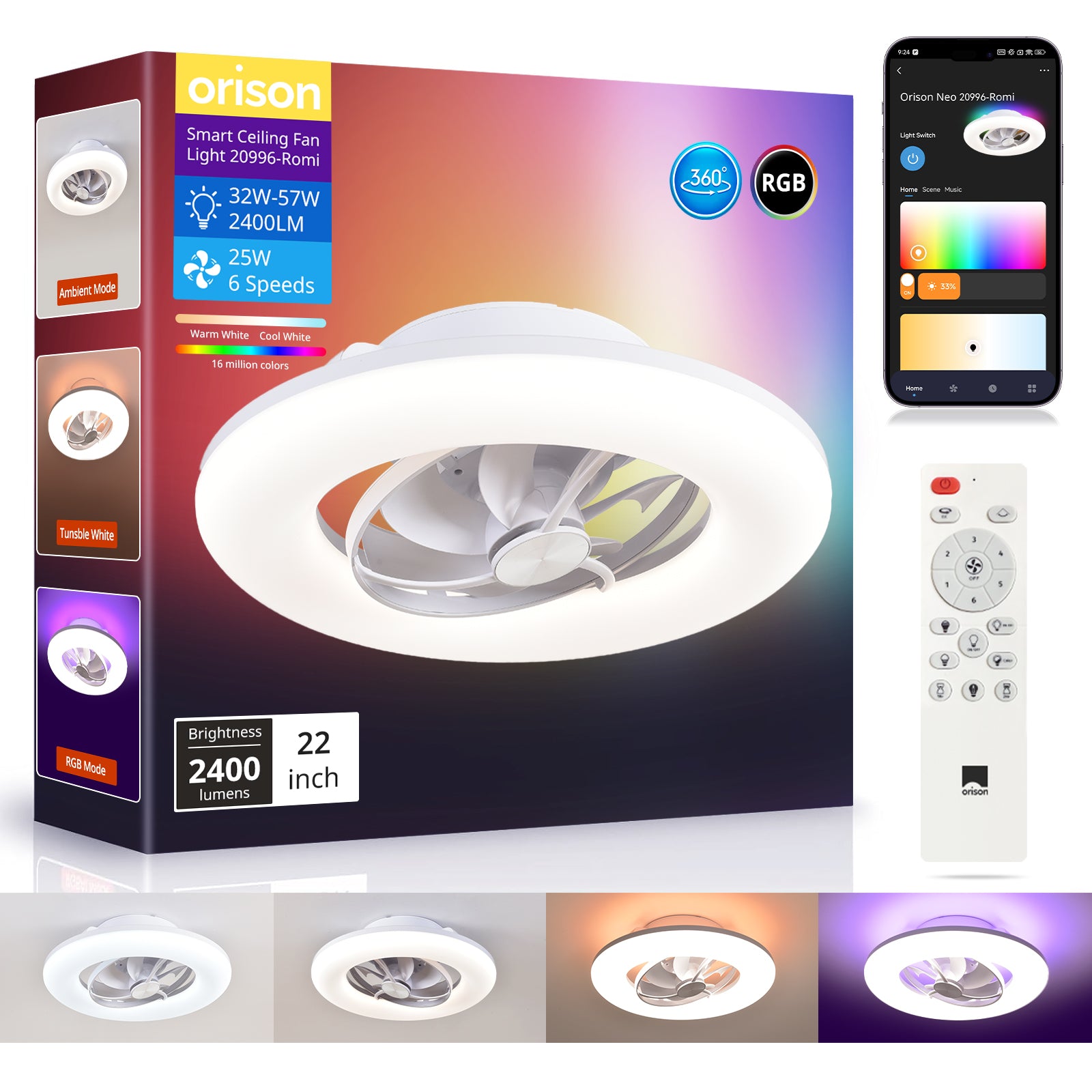
Step 4 — Visual and acoustic considerations
Fans are part appliance, part furniture. Pick finishes and blade profiles that match your ceiling height and décor; oversized blades look odd in small rooms and can cause turbulent airflow. Noise is another metric — look for dB specs and brushless motors for quiet operation. A good LED light module helps consolidate fittings and can reduce clutter from multiple fixtures. Fail to plan here and you end up with an otherwise smart room that feels noisy or visually out of kilter — awkward, really.
Step 5 — Installation, retrofit and regulatory checks
Check structural support, wiring runs, and mounting brackets well before the installer arrives. Retrofit jobs may need a rated fan box or reinforcement for heavier models. Also confirm building regulations for electrical work in your locale — shallow assumptions about wiring can cause expensive rework. When buying for rental properties or listed homes, pick fans with flexible mounting kits and clear installation guides to minimise fuss.
Comparative note: oscillating behaviour and alternatives
Oscillating ceiling fans spread airflow differently from fixed-orientation fans; their sweep reduces dead zones in longer rooms. If you want that effect, compare models that advertise oscillation range and adjustable sweep speed — it’s not just marketing. For some rooms, multiple smaller fans, or a blend of a central fan plus wall-mounted oscillating units, can outperform a single oversized fan. If you’re weighing options, test a setup with temporary stands or a hired unit before committing to hardwired installs.
Common mistakes and how to dodge them
People often pick visually striking fans without matching performance specs — or they assume a smart fan will fix poor room layout. Insist on trial runs, note the difference in perceived temperature with and without the fan, and verify compatibility with your chosen voice platform and smart hub. Also get installers to leave wiring labels — future-proofing is cheap at the time of install but costly to retroactively sort.
Real-world anchor and credibility
Observed across recent refits in Bristol and Bath during the hotter summers, homes that added smart ceiling ventilation alongside modest insulation upgrades reported better occupant comfort and lower reliance on air conditioning. Those on-the-ground outcomes align with broader energy-use trends documented by national agencies during the 2022 heatwave period — so the approach isn’t hypothetical, it’s practice-tested.
Advisory — three golden rules for selecting and deploying smart fans
1) Measure first: prioritise models with published CFM and dB figures; match them to room volume and desired comfort delta. 2) Demand compatibility: ensure the fan supports your voice ecosystem and plays nicely with existing thermostats or smart hubs — otherwise automation becomes manual. 3) Plan install and serviceability: choose damp-rated, easily accessed units with clear mounting options to reduce long-term maintenance headaches.
Put those rules into practice and the smart fan becomes a hub for comfort and efficiency — not a lonely gadget. For many households, that balanced value is exactly what a modern, connected solution like oscillating ceiling fans delivers. Orison. —