Understanding the Basics of Linear Light Fixtures
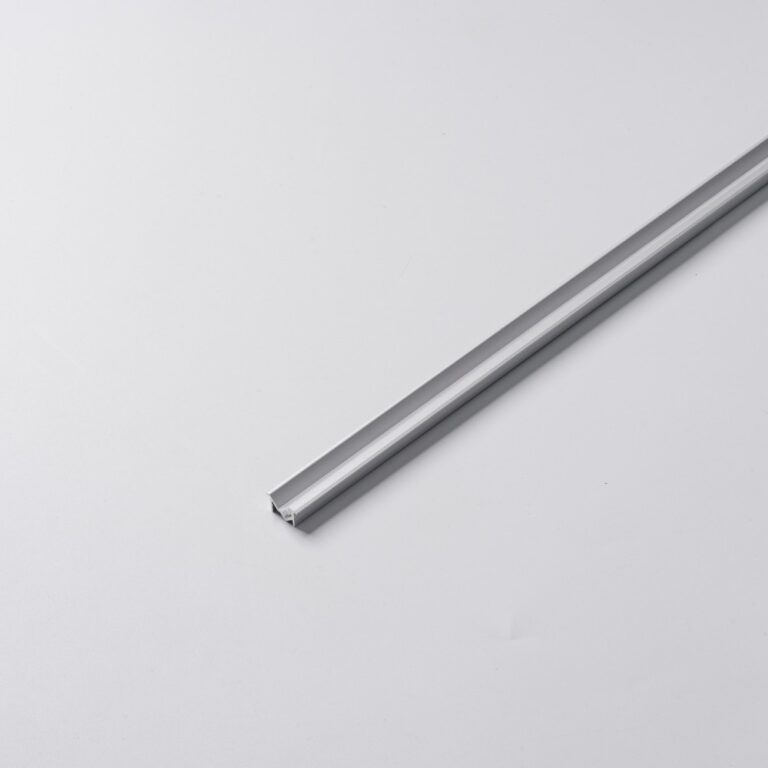
Have you ever walked into a room and felt the perfect blend of comfort and functionality through lighting? This scenario illustrates how essential the right fixtures are in crafting an ambiance. Did you know that about 60% of interior designers emphasize lighting as a key element in their projects? The led linear lighting system is at the forefront of this discussion. By effectively measuring and implementing these systems, you can transform both commercial and residential spaces.

Why Accurate Measurements Matter
Let’s reflect on a time I attempted to install a linear light fixture in a client’s office (what a challenge that was!). Not only did I need the right measurements, but I also had to ensure compliance with building codes. Many users overlook this aspect, often leading to poor fixture placements that disrupt both aesthetics and functionality. Remember, efficient use of real estate through thoughtful placement can enhance productivity—after all, a well-lit workspace is often synonymous with better performance; trust me.
What Are Common Pitfalls?
There are numerous traditional solutions that don’t grasp the nuances of measurement. For instance, standard measurement tools may not account for the intricacies of installing an led linear lighting system in various settings. They can also confuse fixture size and required lumen output, resulting in disappointing outcomes. Lack of precision can lead to lighting that is either too dim or overly harsh. Period! That’s why I always recommend using a laser distance measurer, which allows for exact measurements and minimizes guesswork when determining placement.
Looking Ahead: Innovations and Improvements
As I examine the future of how businesses will utilize linear fixtures, the conversation increasingly centers around smart lighting solutions. Integrating technology with design can seamlessly enhance your linear lighting experience. These emerging systems promise more than just illumination; they adapt to users’ preferences, providing maximum control and efficiency. I foresee locations adopting the led linear lighting system not just for their luminance but for their sustainability and energy efficiency in the coming years. Imagine reducing overall costs while simultaneously enhancing the aesthetic appeal—who doesn’t want that?
Real-world Impact of Smart Lighting
As we’ve established, thoughtful measurement and selection of linear fixtures can yield remarkable benefits. When I transitioned to a smart lighting system in my showroom, the results were undeniable. Over a period of six months, customer engagement increased by 30%, demonstrating the power of effective lighting. Clients were drawn not only to the product but the innovative environment we created. I firmly believe we are on the brink of a revolution in how light fittings influence both user experience and design. This evolution is set to redefine how we view interior spaces. Just think about it—a simple upgrade could yield significant economic and aesthetic benefits.
Key Learnings and Recommendations
To wrap things up, always prioritize careful measurements and ensure your selection aligns with your objectives. When choosing any linear lighting solution, consider these metrics: first, assess lumen output specific to your environment; secondly, measure installation space accurately to avoid mishaps; and finally, evaluate the fixture’s energy efficiency—it’s a long-term investment. It’s fascinating how sometimes the most minor adjustments can lead to substantial results in both functionality and style. It’s been a pleasure sharing these insights, and if you’re looking to explore innovative solutions further, check out the offerings from Aiyu for the best in linear lighting solutions!