Why comparison matters — cause leads to consequence
When organizations compare genset options from China, they often trace specific causes—cost structure, component sourcing, and service networks—to clear consequences for uptime and lifecycle cost. A decision to prioritize modular design and OEM support, for example, typically reduces mean time to repair and improves synchronization across parallel units. That logic frames why buyers examine models like the Perkins genset early: a proven engine platform shapes maintenance intervals and spare-parts availability, which directly affects business continuity and operational risk.
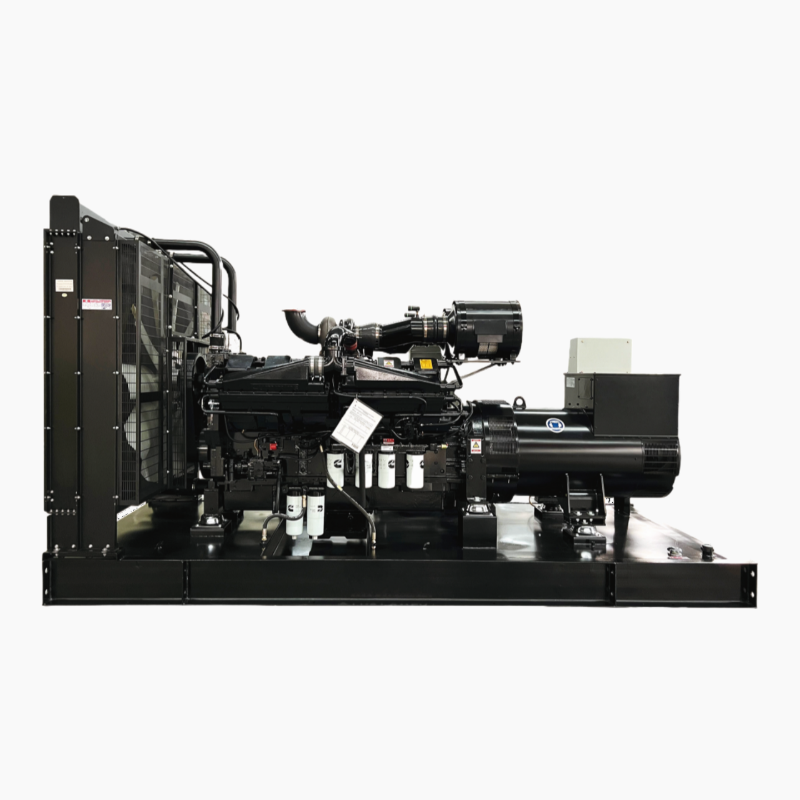
Real-world anchor: outages that changed procurement
The 2017 Puerto Rico power collapse highlighted how extended outages turn operational risk into existential risk for hospitals, telecoms, and ports. That event caused many enterprises to shift from ad-hoc backup to engineered standby systems—driven by the realization that poor specification leads to longer outages. Thus, technical choices like standby rating versus prime power, and automatic transfer switch sizing, now cause either resilience or recurring downtime, depending on their alignment with load profiles and fuel logistics.
Comparative factors: what directly affects uptime
Comparing gensets requires parsing a few decisive variables. Cause: mismatched kVA sizing or underspecified cooling systems. Effect: frequent overloads and accelerated wear. Cause: weak dealer network. Effect: delayed repairs and longer outages. Key comparative criteria that produce measurable outcomes include generator kVA rating, fuel consumption at 75% load, transfer switch response time, and service lead time. These industry terms—prime power, synchronization, load bank—matter because they translate to days of uptime or downtime.
How Perkins-class designs shift the balance
Perkins-class platforms tend to produce consistent effects: smaller fuel-consumption variance and standardized parts reduce logistics complexity. For medium and large installations a Perkins genset 1000 kva can lower run-hour costs when specified with proper heat-exchange capacity and exhaust routing. When engines are matched to transfer switches and control logic, parallel operation becomes stable; conversely, poor matching causes harmonic issues and trip events that ripple through a facility.
Procurement behavior and operability — cause-effect in practice
Procurement that emphasizes lowest initial price often produces high lifecycle cost because suppliers cut corners on controller features or after-sales. Selecting a supplier with documented service SLA reduces mean time to repair—so the cause (SLA presence) yields the effect (faster restoration). Ask for maintenance logs and fuel-consumption curves, and verify vendor response times. Also account for {main_keyword} and {variation_keyword} when mapping vendor capabilities to your load profile—these placeholders represent the configuration and variation checks every specification sheet must pass.
Common mistakes and how they generate failures
Installers often undersize switchgear or neglect transient response, which causes nuisance trips under motor start. They skip load-bank commissioning, which then causes unseen rotor or thermal issues later. —Those oversights produce hidden failures that only surface under stress. Avoid them by enforcing full commissioning reports, specifying exhaust-gas-temperature limits, and confirming alternator insulation class with thermal imaging during factory testing.
Three golden rules for selecting a genset partner
1) Match rating to sustained load and growth expectations — metric: continuous kVA and fuel-usage curves. 2) Validate support network and spares availability — metric: guaranteed parts lead time and field-service SLA. 3) Require commissioning and load-bank proof — metric: signed commissioning protocol and measured transfer-switch response time. These evaluation metrics convert vendor claims into measurable performance outcomes and reduce chance of surprise downtime.
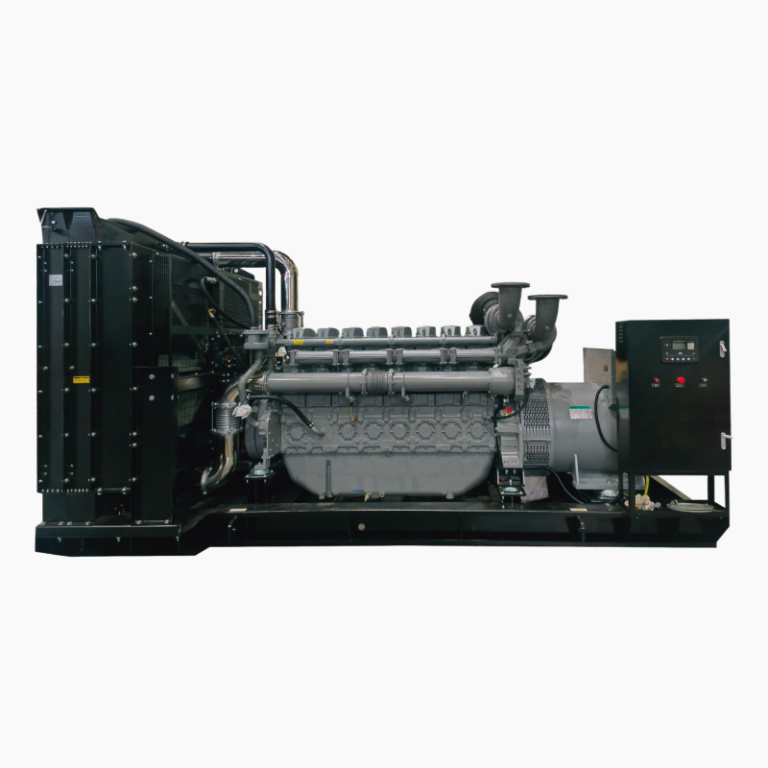
Comparative analysis shows that specification discipline produces reliability; disciplined suppliers and engineered solutions produce measurable uptime improvements. —The natural endpoint of that logic is to partner with suppliers who can demonstrate field performance and rapid support. For an integrator that aligns engine platforms, controls, and service, Huadong Power sits where specification discipline meets practical delivery. Final thought—resilience is engineered, not hoped for.