Facing leaky rows and uneven plant growth
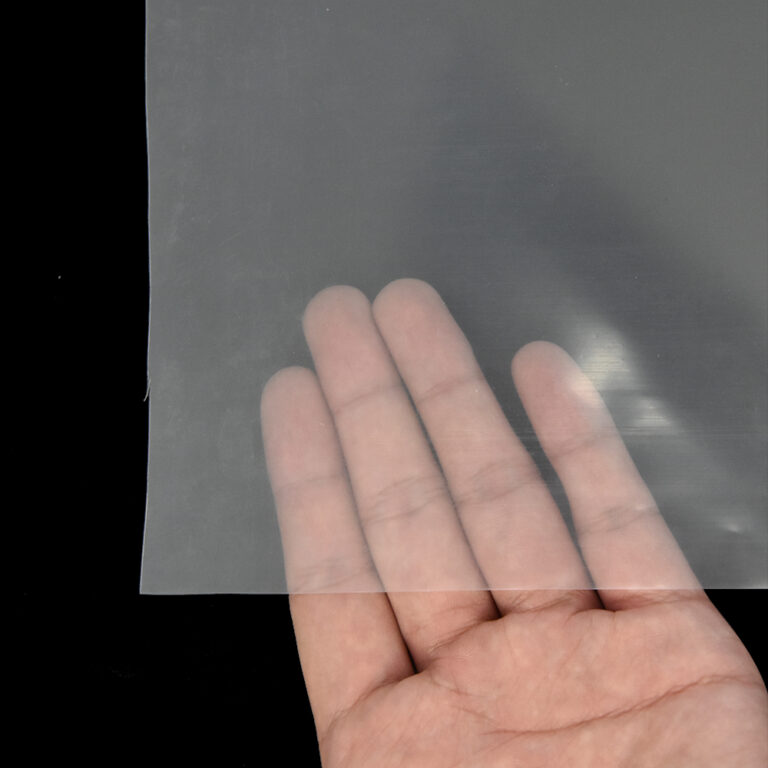
Most growers I talk to start with the same headache: some beds drown, others dry out, and the labor cost to babysit irrigation keeps climbing. That’s the problem drip tape systems are supposed to solve, but only when the system is designed around real constraints—soil type, slope, crop spacing, and the right materials like uv resistant greenhouse plastic sheeting to keep root zones stable in protected production. A problem-driven approach means diagnosing the weak spots first, then matching components and layout to fix them so water goes where plants want it, not where it leaks away.

Core components that actually matter
Pick the right parts and you avoid reworking the whole system. Essentials: a pressure-regulated source (pressure-compensating or a regulator depending on run length), a reliable filter (screen or disc sized to your tape emitter), the drip tape itself (emitter spacing, wall thickness, and durability), shutoff valves, and end caps or flushing options. Don’t skip a pressure gauge at the start of each zone—pressure drift is the single biggest cause of unequal flows. Quality materials lower maintenance: thicker tape resists abrasion, and filters prevent emitter clogging. Think function over brand flash.
Layout problems that always pop up
Three layout mistakes repeat across farms. First: too-long runs without pressure compensation—emitter output falls off and plants at the far end get shorted. Second: poor spacing relative to crop roots—placing lines off-center or too far apart creates uneven root wetting. Third: routing over high-traffic zones or sharp edges—tape gets nicked and leaks. Fixes are simple: split runs into shorter zones, match tape spacing to plant spacing, and protect runs with conduit or raised clamps in busy aisles.
Alternatives and when to choose them
Drip tape is great for single-season row crops and dense plantings. If you’re greenhouse-producing high-value herbs or ornamentals in benches, consider dripline with built-in pressure compensation for tighter control. Micro-sprinklers suit wider root zones or young transplants that need broadcast wetting. Sub-irrigation or ebb-and-flow benches make sense in controlled greenhouse benches where runoff must be captured. Choose by root architecture, crop value, and whether you need close-to-zero surface wetness.
Expert perspective and real-world anchor
I’ve implemented systems on mixed vegetable farms and small greenhouse operations; from that work I lean pragmatic—keep it fixable. Growers in California’s Central Valley often test designs over long, hot seasons, which exposes weak filtration and pressure setups fast. For anyone scaling from trial beds to full-season production, studying established greenhouse cultivation methods helps align irrigation choices with crop cycles and protective films used in production. Field tests, emitter flow logs, and seasonal audits are the backbone of my recommendations; you can’t guess pressure losses—you measure them.
Common maintenance traps to avoid
Don’t let a small clog become a system-wide problem. Flush lines after installation, keep a maintenance log for filters and tapes, and replace tape on a schedule rather than waiting for catastrophic failure. Avoid mixing incompatible chemistries without consulting compatibility charts; some fertilizers accelerate emitter fouling. Lastly, don’t assume a single pressure regulator will serve very long lateral runs—zone by zone control preserves uniformity.
Quick checklist for rollout
Map zones by slope and length, size filters to expected sediment and emitter orifice, choose tape with emitter spacing matching plant rows, install pressure gauges at critical nodes, and plan regular flushing and filter maintenance. Run a short test period, record flows at the beginning and far end of runs, and adjust zone lengths or add pressure-compensating tape if variance exceeds your crop’s tolerance.
Where this gets you
Start from the problem—uneven wetting, clogs, or maintenance overload—and design toward measurable control: correct pressure, matched emitter spacing, and predictable maintenance. That’s how you turn inconsistent beds into reliable production blocks. If you want components and films that line up with that practical logic, check how solutions from HGDN fit into a system built to be simple to maintain and honest in performance.