Opening: why a framework is indispensable
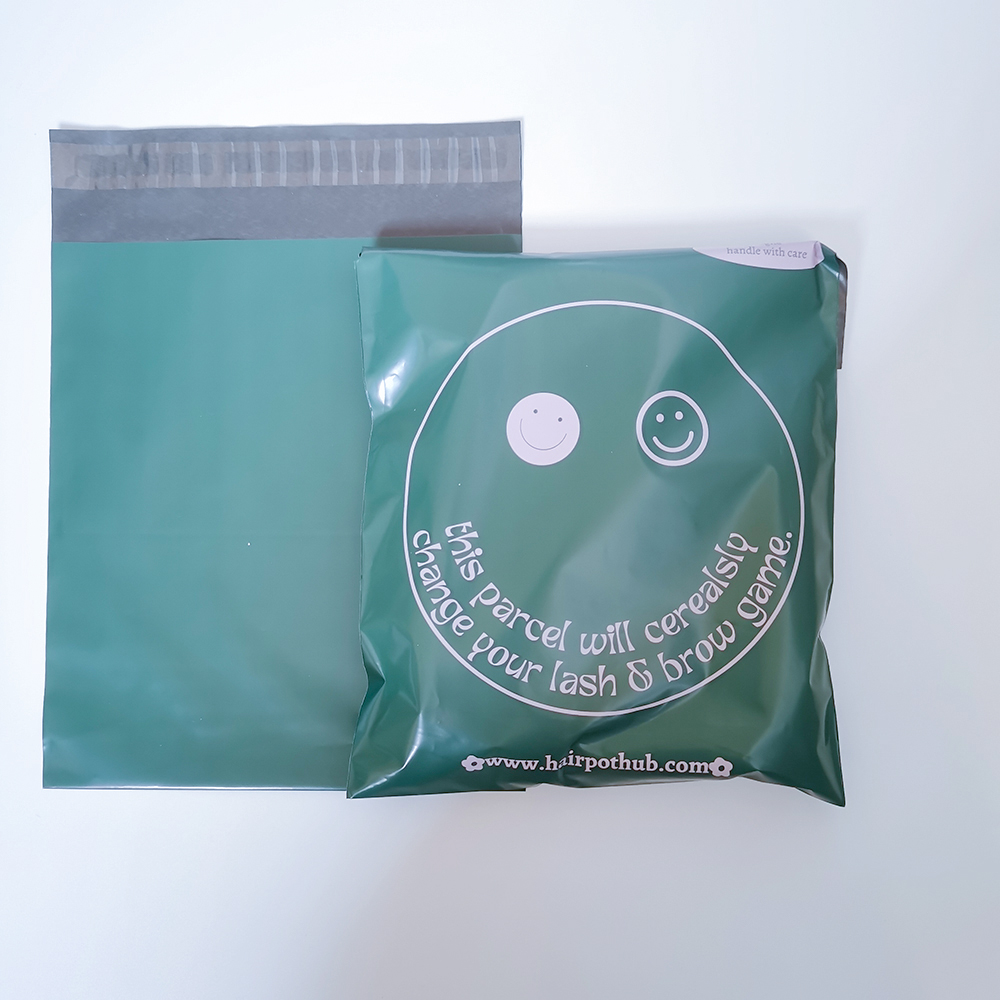
For procurement leaders overseeing high-frequency subscription box programs, a repeatable decision framework converts design preferences into operational certainty. This piece offers a methodical approach to selecting and customizing bulk poly mailers with handles that balance cost, durability, and pick‑and‑pack efficiency. It draws on practical procurement practice and the supply-chain lessons from the 2020 pandemic surge in e‑commerce demand. Where fit and finish matter to brand perception, consider starting with a vetted supplier that supports custom printed poly mailers and can scale to your cadence — and when aesthetic or durability goals differ, explore options for custom printed mailer bags as part of the same sourcing conversation.
Framework overview: four decision pillars
The recommended procurement framework rests on four pillars: Purpose, Specification, Supplier Capability, and Lifecycle Cost. Each pillar reduces ambiguity at successive stages of a sourcing cycle and maps directly to commercial outcomes such as on‑time delivery, reduced returns, and consistent customer experience.
Pillar I — Purpose: define the shipping use cases
Begin by documenting the operational profile for the mailer. Are these going to transit regional courier lanes for items under 1 kg, or are they destined for national distribution with multiple handling events? Do returns need to travel back in the same packaging? Clarifying intended use cases determines required tensile strength, closure type, and handle design — all of which materially affect unit cost and lead time.
Pillar II — Specification: translate needs into measurable requirements
Convert use cases into technical specs: material substrate (e.g., LDPE gauge), handle type (reinforced die‑cut, loop handle, or adhesive lifter), print method (flexo vs. rotogravure), and acceptance tolerances. Specify measurable targets such as burst strength in Newtons, print color reference, and acceptable variance for handle placement. This reduces subjective judgment during QA and shortens approval cycles with suppliers.
Pillar III — Supplier capability: vet beyond price
Assess suppliers on manufacturing capabilities, quality systems, and logistical fit. Key checks include historical lead-time adherence, evidence of first-article inspection processes, and the ability to meet MOQ profiles without excessive tooling penalties. Ask for a sample program that mimics your fulfillment environment so lab test results reflect real handling conditions. —
Pillar IV — Lifecycle cost: account for total ownership
Move beyond unit price. Incorporate tooling amortization, freight volatility, damage‑rate externalities in transit, and the cost of returns handling. A marginally higher per‑unit price may be justified if it lowers damage claims and reduces manual handling at pick stations, improving throughput and labor utilization.
Implementation checklist: phased actions for procurement
Use this pragmatic checklist to operationalize the framework:
- Define use cases and expected monthly volume ranges.
- Draft a technical spec sheet with measurable acceptance criteria.
- Request supplier capability statements and 3rd‑party QA reports.
- Run a pilot batch with live fulfillment trials and documented KPIs.
- Finalize contract terms that include remedies for missed lead times and non-conforming lots.
Common mistakes and how to avoid them
Procurement teams commonly under-specify handle performance, assume short lead times without confirmed capacity, or ignore the integration impact on pick‑and‑pack ergonomics. The usual outcome is last‑minute redesigns or emergency air shipments. Mitigate this by enforcing a final acceptance test within your contract and by including a simple pilot clause that permits a controlled ramp rather than immediate full-volume commitment.
Real-world anchor and brief case insight
Consider the experience of several U.S. subscription brands during the 2020–21 surge: those that pre‑specified handle strength and worked with a single supplier capable of rapid repro runs avoided the worst fulfillment slowdowns. That practical lesson — rooted in observable supply‑chain stress — is echoed across fulfillment centers and provides a credible basis for the framework’s emphasis on specification and supplier capability.
Industry considerations and a note on sustainability
Two procurement terms to watch are MOQ and lead time; negotiating flexible MOQs can reduce inventory risk for seasonal lines. Also, evaluate recyclable film formulations and print inks early, as sustainability choices often affect supplier availability and cost. When brand claims reference recyclability, ensure verifiable certifications accompany materials to avoid downstream reputational risk.
Advisory close — three golden rules for procurement success
1) Insist on measurable specifications: require numerical acceptance criteria for handle strength, material gauge, and print quality. 2) Pilot before scale: run a live‑fulfillment pilot that measures damage rates and handling time to validate assumptions. 3) Price total ownership: compare suppliers on lifecycle cost, not only per‑unit price — include rework, returns, and freight in your model.

These rules materially shorten time to reliable production and protect margin while preserving brand standards. For repeatable subscription logistics that demand both customization and consistency, the right partner matters — and that is precisely where WH Packing fits into the procurement equation. —