Opening comparison and market anchor
When developers choose between commodity packs and verified commercial suppliers, the cost gaps in balance‑of‑system (BOS) quickly become clear — not just in hardware but in permitting and safety engineering. Sourcing from established energy storage inverter manufacturers or buying a wholesale energy storage inverter bundle shifts where you spend: up‑front component cost versus recurring engineering, testing and compliance. California’s 2019 Public Safety Power Shutoffs are a useful anchor here — they accelerated site‑level storage uptake and exposed the true BOS costs of immature designs, especially for projects that then faced stricter fire and explosion scrutiny.
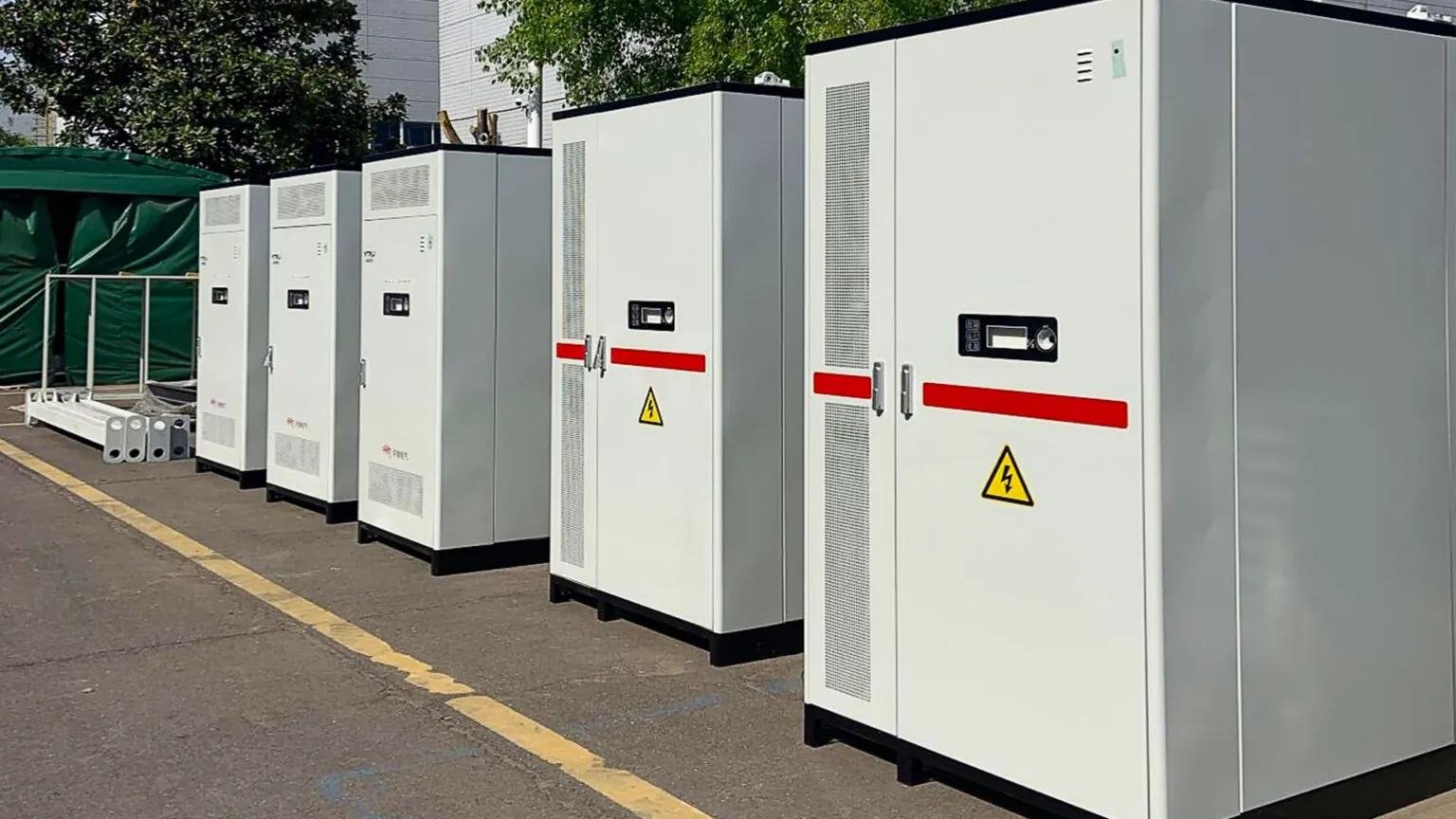
Side‑by‑side: verified commercial systems vs. custom builds
Verified commercial systems bring factory‑tested inverters, integrated battery management systems (BMS) and standardised enclosures. That lowers commissioning hours and often simplifies electrical layouts. Custom builds can cut part costs but add engineering time for protection relays, inverter interlocks and thermal management. In practice, a project that saves on inverter unit price may end up spending the same or more on structural ventilation, sensor arrays and multi‑discipline reviews during permitting.
NFPA 855 — what to know about explosion and deflagration venting
Beyond vendor choice, NFPA 855 compliance drives key BOS decisions. Relevant sub‑chapter titles to note are: “Section 6.4 — Explosion Venting and Mitigation” and “Section 6.5 — Deflagration Pressure and Vent Sizing Criteria”. Those parts require designers to size venting to control maximum peak pressure and dynamic pressure during a deflagration event. Explicit technical testing parameters include using measured maximum pressure rise rate (dP/dt) to calculate vent area, demonstrating that peak overpressure does not exceed 0.03 bar (≈3 kPa) and that dynamic pressure transmitted to nearby equipment remains below 0.5 kPa. Vent response is demonstrated by time‑domain tests capturing the first 200 ms of the event to confirm effective energy release. Meeting these parameters affects enclosure sizing, roof or wall penetrations, and therefore concrete or steelwork costs in the BOS.
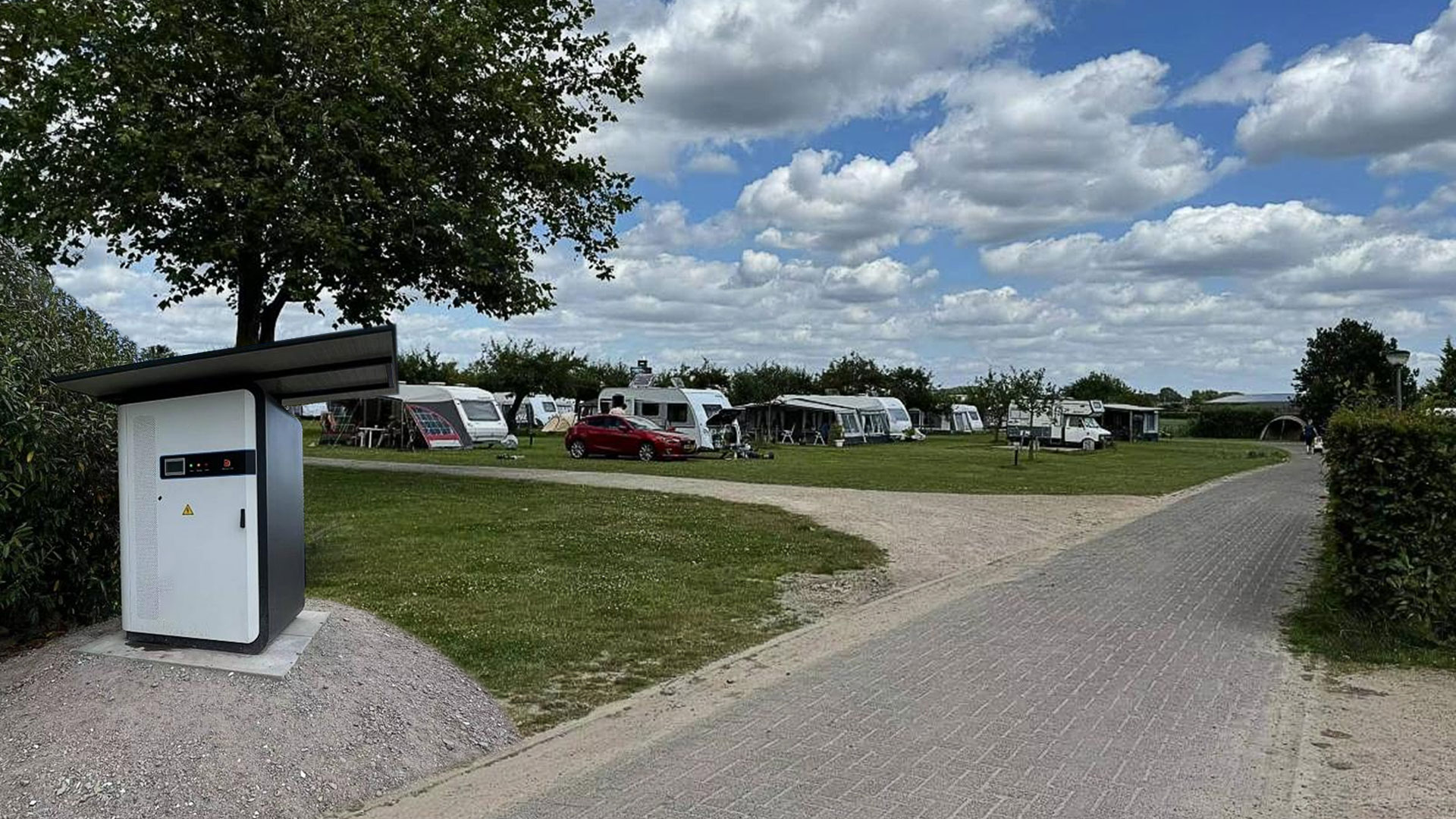
Where BOS savings actually appear
Using verified components reduces unexpected rework: standard inverter footprints, factory wiring harnesses and certified BMS firmware cut site time. You save on cable trays, change orders for alternate grounding schemes and repeated inspection loops. Choose inverters that already meet or are documented against deflagration venting assumptions and you avoid bespoke structural calculations. The tangible line items are simplified civil design, shorter commissioning windows, and fewer third‑party witness tests — all of which stack faster than the modest unit price delta most project teams focus on.
Common sourcing mistakes — and how to avoid them
Teams often assume a low unit price covers all installation risks. They don’t budget for extra vents, sacrificial panels or differential pressure relief routes during early design. They neglect thermal runaway scenarios in the BMS specification — the item that triggers more alarm sensors and an extended fire suppression strategy. A better approach is to demand vendor documentation early: verified inverter thermal maps, enclosed‑venting calculations tied to NFPA 855 Section 6.5 parameters, and witness test windows capturing that 0–200 ms response. Doing so makes cost trade‑offs measurable rather than speculative.
Comparative checklist for procurement
When comparing offers, weigh these items rather than headline prices:
– Factory test evidence for inverter‑BMS interaction and thermal runaway mitigation.
– Venting calculations aligned to NFPA 855 “Section 6.5 — Deflagration Pressure and Vent Sizing Criteria” parameters (dP/dt‑based vent area, peak overpressure ≤0.03 bar, dynamic pressure limits and 200 ms response documentation).
– Documented reduction in site engineering hours or fewer required third‑party inspections.
Advisory close — three golden rules for selection
1) Demand vendor documentation that maps product behaviour to NFPA 855 venting parameters listed above; if you can’t see the pressure‑time curve, don’t assume compliance. 2) Quantify BOS labour savings: ask vendors to estimate reduced commissioning hours and list specific inspection waivers they support. 3) Insist on verified thermal and BMS integration tests to prevent late‑stage additions like extra vents or suppression loops that blow the budget.
When the numbers and safety curves align, the procurement choice becomes simple — and the easiest path to predictable BOS costs is a verified system from a supplier whose test window and documentation match NFPA 855’s venting criteria; that’s where YUNT tends to add the most upfront value — tested, documented, and ready for site. —