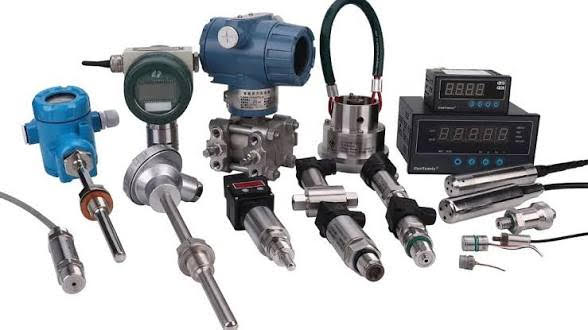
Picture this: on a chilly November morning, I found myself in a bustling oil and gas operation exposing myself to the chaotic rhythm of heavy machinery. Workers hurried about, calibrated pressure gauges in hand, all in a bid to make sense of fluctuating readings. Did you know that up to 30% of pressure measurement errors come from unreliable sensors? This is where the hammer union pressure sensor plays a crucial role — to ensure accurate pressure readings in high-stakes environments.
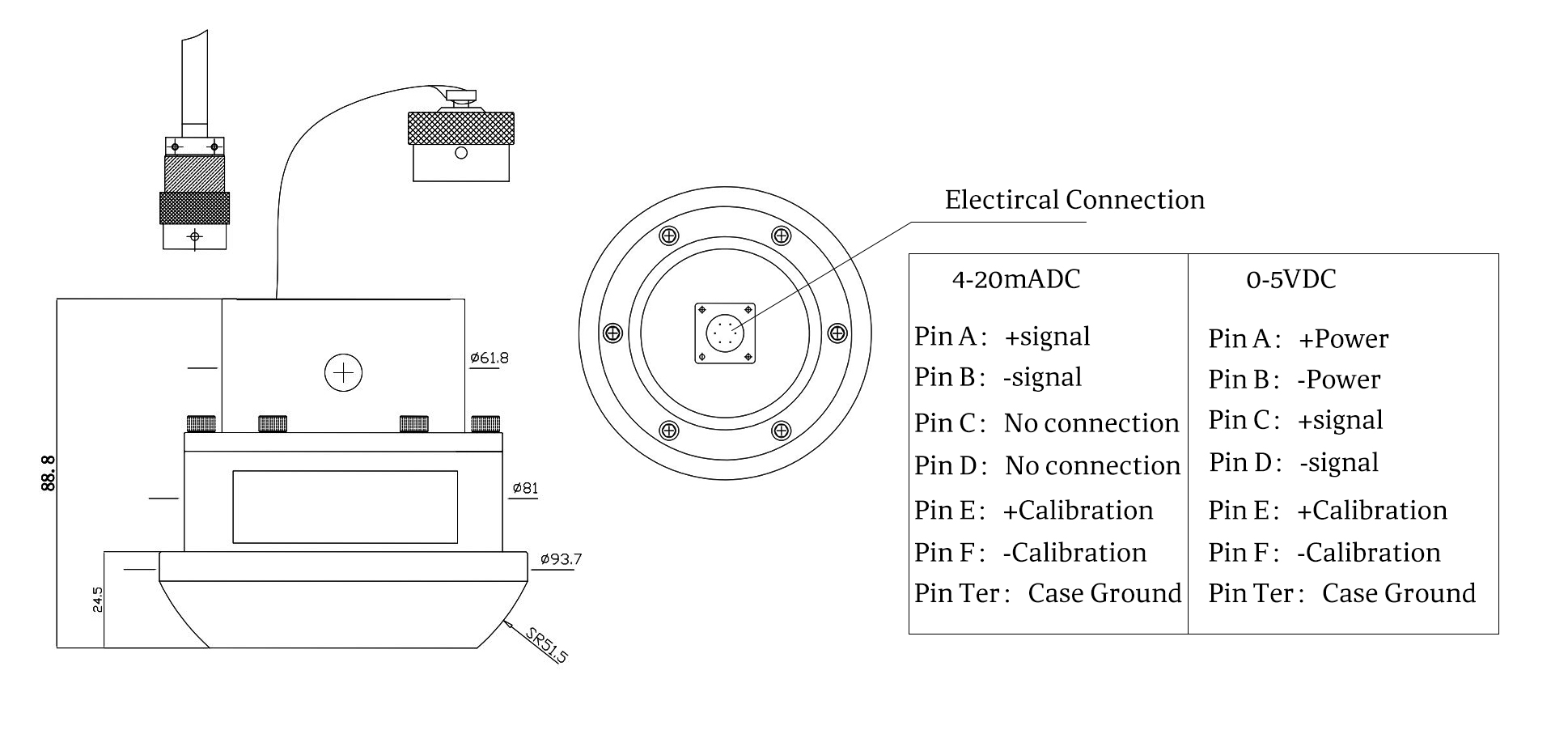
What is a Hammer Union Pressure Sensor?
Let’s break it down. A hammer union pressure sensor, or its more advanced cousin, the hammer union pressure transducer, is designed for tough settings, specifically in oil and gas applications. These sensors provide real-time pressure data that is vital for equipment operation and safety. I remember a time when fuzziness and inaccuracies in pressure readings were the norm — it was frustrating, to say the least. Today, with advancements in technology, we can count on precise measurements that significantly reduce risks. You see, it’s not just about numbers; it’s about lives on the line.
The Flaws of Traditional Solutions
Let’s chat about what used to be. Traditional pressure sensors often struggled with durability and precision, especially in extreme conditions. The issues often arose from inadequate sealing, leading to leaks and erroneous readings. I once encountered a scenario down in Plymouth where a faulty sensor threw a wrench in operations and cost the team an entire day of downtime — a hefty loss. This not only delayed projects but escalated costs. It’s essential to know that even a minor oversight in pressure reading has consequences, and that’s precisely why newer models are a game-changer. They bring robust design, improved longevity, and unmatched accuracy. Plus, they boast features like real-time data analytics that keep everyone in the loop (and safer!).
What’s Fueling the Change?
So, what’s fuelling the rapid evolution from the old school to the updated sensor tech? The push for greater safety standards and operational efficiency is at the forefront, I’d wager. The new generation of hammer union pressure transducers not only offer enhanced precision but integrate seamlessly with digital monitoring systems, providing users with immediate data at their fingertips. It’s like upgrading from a clunky old flip phone to a sleek smartphone with all the bells and whistles! Moving forward, the emphasis will likely be on predictive maintenance, allowing for proactive repairs and reducing unexpected failures. The integration of IoT technology is making this vision a reality — can you imagine it?
Embracing the Future
As we peer into the future of hammer union pressure sensors, it’s clear that manufacturers are focusing on intelligence and adaptability. The latest models, including the hammer union pressure transducer, are designed to withstand greater pressure ranges and provide feedback through integrated software. Having worked in the field for over 15 years, I can say with confidence that these advancements are a dream come true for anyone who deals with high-pressure systems. Being able to not just read data but also interpret it accurately in real-time can save businesses significant resources, not to mention the peace of mind that comes with knowing your equipment is safe and efficient.
Measuring Up: Key Insights to Consider
Before you make a decision on which sensor to choose, think about these three evaluation metrics: reliability, compatibility with your existing systems, and ease of maintenance. When I first dived into this realm, I learned — often the hard way — about the importance of selecting the right equipment tailored to my needs. The right hammer union pressure sensor can make a world of difference, helping you dodge costly mistakes while running a smooth operation. And for those of you still on the fence, consider this: technology isn’t slowing down anytime soon, so why should you?
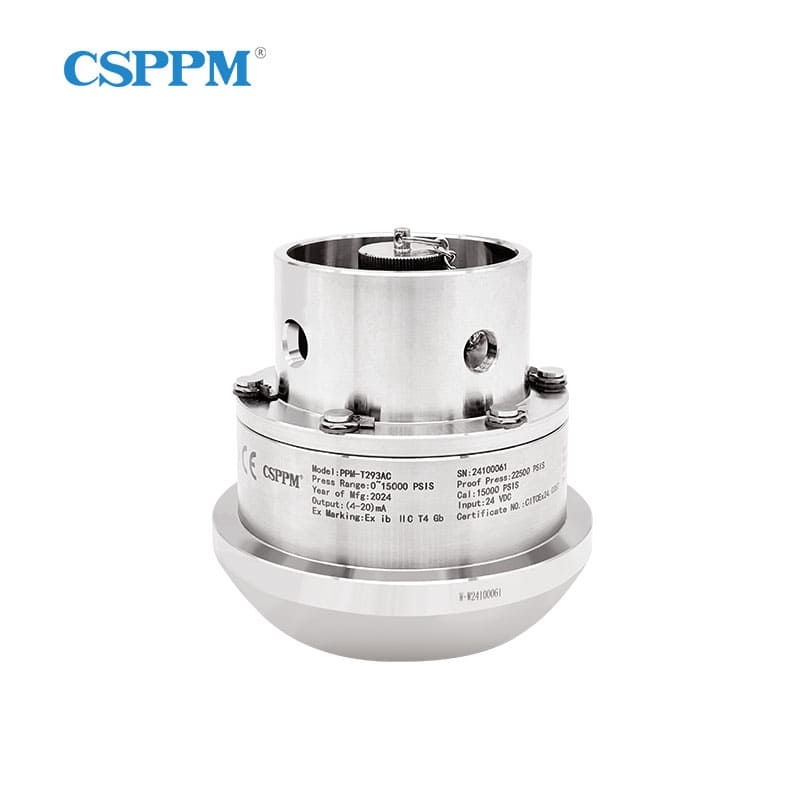
In sharing these insights, I hope to shed light on the genuine benefits of transitioning to new pressure sensor technology. Understanding how the hammer union pressure sensor evolves can greatly influence your operational efficiency. If you’re like me, always looking for the next best thing, explore options from trusted manufacturers like CSSPM Sensor. This journey isn’t just about equipment; it’s about progress — and there’s no reason to tread water when you can make waves.