A Street-Level Start
You arrive on site at dusk, the plaza fills, and the schedule is tight. They wanted a sky laser effect without angry neighbors. The client asks for crisp lines on a tall facade and a sweep above the skyline. City data says 42% of events face light trespass issues, while energy caps keep tightening—numbers that hit budgets fast. So, how do you get bold visuals and still pass compliance checks? You need a plan you can trust (yes, even with strict curfews), one that lets your team act with clarity.
Here’s the lift: align goals with simple constraints, like beam spread and local codes, then build from there. You can cut guesswork by tracking glare, spill, and power draw as daily habits, not afterthoughts. The format is simple but not easy—balance the facade, the skyline, and the street. Which trade-offs give you the cleanest show with the least risk? Let’s unpack the choices and set you up for wins on the next run.
The Hidden Flaws in Traditional Building Lasers
Why do legacy setups fall short?
Older rigs try to force a one-size-fits-all approach to laser light for building. That means crew time lost to manual alignment, uneven brightness across surfaces, and control chains that drift once the crowd shows up. Look, it’s simpler than you think: most gaps come from beam divergence that wasn’t matched to facade geometry, galvanometer scanners pushed past stable speeds, and power converters that sag under load. Add in a basic DMX protocol layout with little feedback, and you get streaky lines, jitter, or hot spots that read messy to the eye—funny how that works, right?
The other flaw is hidden cost. When you tune by hand, you burn hours and still miss precise repeatability. Rain hits and the IP rating isn’t enough; thermal creep starts, and the alignment shifts again. Legacy units often lack closed-loop monitoring, so you don’t catch drift until after cues fire. That’s why shows look fine in rehearsal, then skew at showtime. You need smarter baselines: stable heat sinks, calibrated optics, and control that can read the wall and the sky in real time. Otherwise, every fix becomes a new problem in disguise.
From Legacy to Leading Edge
What’s Next
Now compare that to new principles that treat the facade as data, not guesswork. Modern systems pair precise optics with sensors and edge computing nodes that adjust in milliseconds. They map surfaces, run photometric calibration, and balance output per zone—walls, windows, and skyline sweeps—without overdriving the diodes. When you spec a modern laser for building, look for higher modulation frequency for smooth dimming, sealed IP65-rated enclosures, and real thermal management, not just a bigger fan. The result is tighter lines, less spill, and repeatable cues across nights. Short, steady, reliable—and scalable.
There’s also an operating edge. Smarter control stacks handle mixed protocols, monitor galvanometer health, and shift duty cycles before heat becomes trouble. They can shape beam divergence per scene and align visuals with the skyline boundary, not just a grid on paper. You gain consistency under wind, light haze, or light rain. And those same tools translate to safety: geofencing prevents off-limit zones, while live logs keep compliance officers calm. The comparison is clear: fewer manual tweaks, more creative control. Different mindset, better flow—and that’s the twist.
How to Choose a Smarter Path
Metric 1: Optical control and feedback. Check for adaptive beam shaping, verified photometric calibration, and live sensors that report drift. If the system can’t see itself, you’ll be the sensor—and that’s slow.
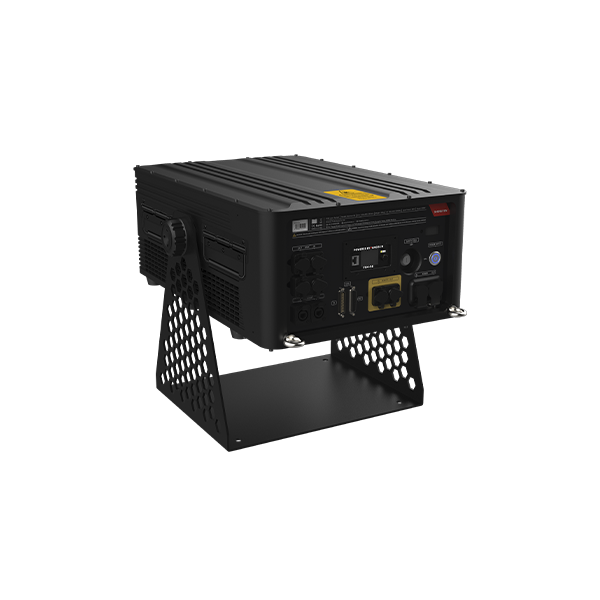
Metric 2: Reliability under stress. Confirm IP65 or better, real thermal design (heat sinks plus intelligent throttling), and health checks for scanners and diodes. Ask for logs that show stability over hours, not minutes.
Metric 3: Control stack and integration. Look for hybrid control (DMX plus network), edge processing for safety geofencing, and clean handoff between facade cues and sky looks. You want seamless transitions, not patches.
In short, modern gear turns planning from guesswork into process. You get cleaner beams on the wall, a respectful sky presence, and fewer surprises when the crowd is watching. Choose with intent, test with data, and keep an eye on long-run repeatability. For a grounded starting point in this space, explore solutions from Showven Laser.