Introduction — a small scene, a large idea
I remember standing in a tiny clinic in Malmö where a tired athlete sat under a lamp and sighed: “If only this could be easier.” That moment framed a common scenario—patients want recovery that fits life, not the other way round. A red light therapy company often hears this: 68% of users report inconsistent session use because devices are clunky or hard to schedule (simple survey numbers, but telling). What if device design solved that friction instead of adding to it?
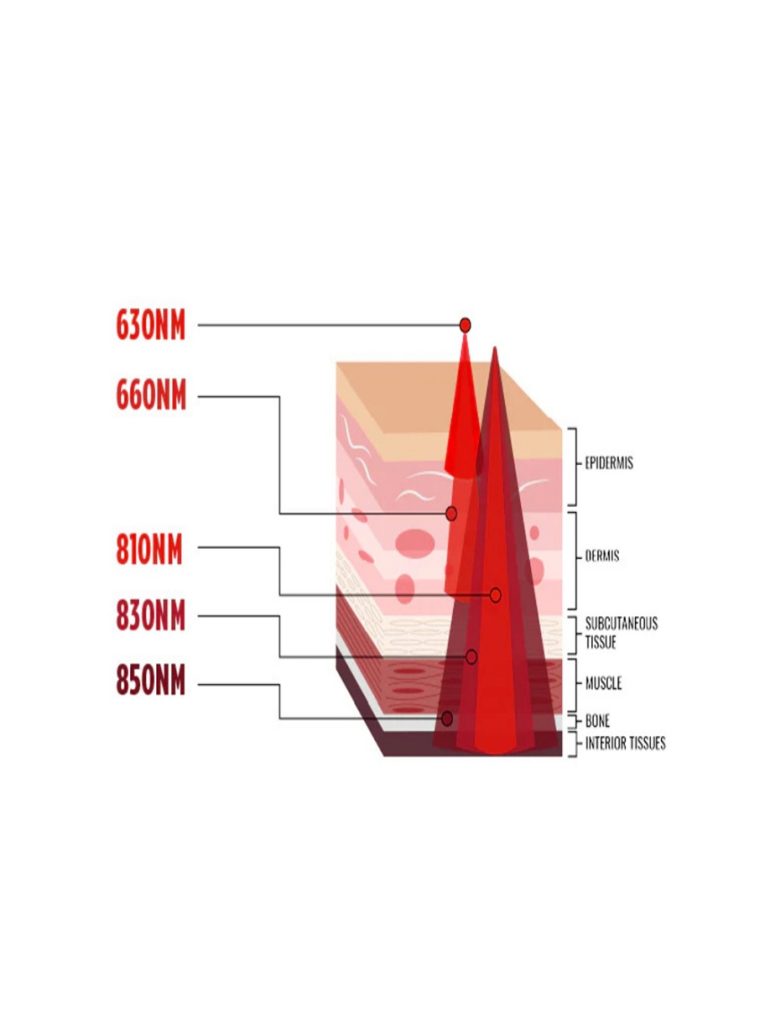
Here I set the scene with a quick fact, a short story, and a clear question. The devices we sell—light panels, beds, handhelds—work by targeting cells with specific wavelength bands to encourage photobiomodulation. Yet many setups feel clinical and rigid. I want to know: how do we make the tech feel natural in everyday life? (Yes, even in a busy living room.)
I’m writing as someone who has moved between Nordic clarity and American product hustle. I care about plain language, clean interfaces, and real outcomes. We’ll move from a human moment into the deeper technical and product issues next—so stay with me. — funny how that works, right?
Part 2 — Why many traditional systems miss the mark (technical take)
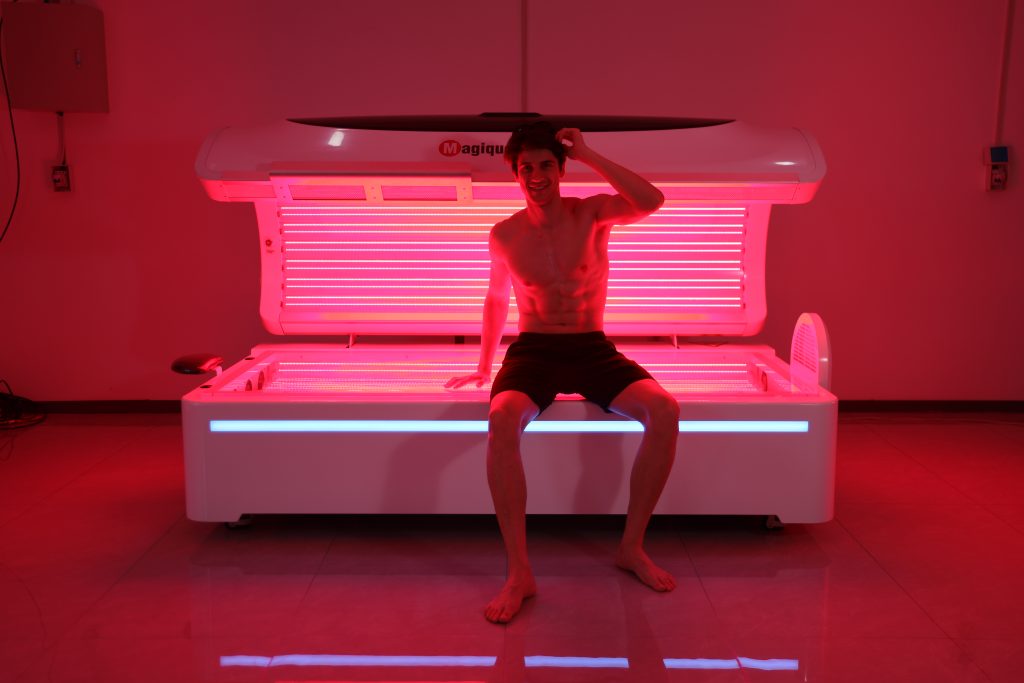
infrared red light bed systems were designed for clinics, not kitchens. That history shows in fixed timers, heavy frames, and complex controls. In practice, such designs create three recurring flaws: poor ergonomics, inconsistent irradiance across an LED array, and inefficient power converters that heat up and shorten life. These are not just petty annoyances. They cut session adherence and reduce effective dose—so users do fewer treatments, and benefits fall off.
What specifically fails?
First, uneven wavelengths across a panel mean parts of the body get less energy. Second, controls behind a password or buried in menus discourage regular use. Third, bulky power converters force larger housings and worse thermal management, which in turn reduce LED lifespan. I’ve seen models where photobiomodulation claims look good on paper, but in-home use shows wide variance. Look, it’s simpler than you think: if the light isn’t consistent, the session is a guess, not therapy. We should aim for predictable irradiance and sensible user flows. — and yes, I’ve tested enough units to trust that judgment.
Part 3 — Future outlook: how things could be better
Looking forward, I favor solutions built around user habits and smarter hardware. A practical future includes compact infrared red light bed designs with modular LED arrays, smarter thermal control, and clear feedback on dose and time. Combine that with simple scheduling (app reminders, voice cues) and therapy becomes part of a routine instead of a hurdle. In device terms, better wavelength control and reliable photobiomodulation metrics matter more than flashy casings. We can borrow ideas from edge computing nodes—distributed control, local intelligence—to keep sessions accurate even when the internet drops.
What’s Next — practical steps
Here are three metrics I recommend when evaluating systems: delivered irradiance consistency, thermal efficiency (low heat loss from power converters), and real-world usability (time-to-start, ease of cleaning, session reminders). I suggest scoring products on these and asking for measured irradiance maps, not just peak lux numbers. We should also demand clear data from manufacturers—simple charts, plain numbers—and pilot each product in the setting it will be used. Try it in a living room, a gym, and a clinic. You’ll see differences fast. — funny how that works, right?
In closing, I believe good design is quietly practical. It removes friction and respects daily life. If we focus on consistent wavelength delivery, sensible power design, and the small interaction details, recovery becomes easier and outcomes improve. For companies looking to make that change, consider partner labs and field pilots. For practitioners and buyers, lean on the three metrics above. And if you want a thoughtful place to start exploring products that aim for that balance, check out Magique Power.