Introduction — A Lab Moment, Some Data, and One Question
I once watched a graduate student juggle a tiny mouse and a bulky mask while the clock ticked. The scene stuck with me because it’s common: many labs—about half of small animal labs I visit—still rely on older rigs that make routine procedures harder than they should be. The small animal anesthesia machine sits at the center of that workflow and, frankly, it dictates how smoothly a day runs. We see numbers: longer prep times, inconsistent induction, and more stress for handlers and animals alike. So the question I kept asking was simple: how do we make these devices actually work for the people who use them? (Spoiler: it’s not only about adding more buttons.)
What follows digs into what’s going wrong now, and how practical design and new tech can change the game. Let’s dig into where these setups trip up and why it matters to your work and your well-being.
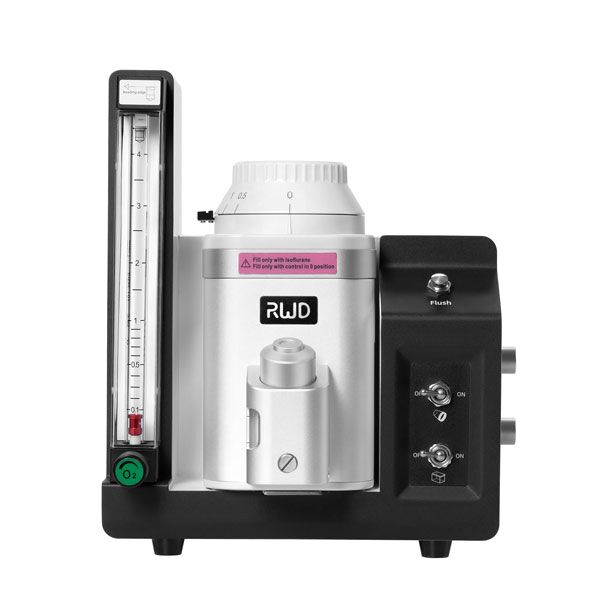
Part 2 — Where Traditional Solutions Fall Short (mouse anesthesia mask in focus)
mouse anesthesia mask often gets blamed for messy inductions, but the problem is usually the system around it. Old setups rely on heavy, imprecise vaporizers and basic flowmeters that don’t match the tiny tidal volumes of mice. Without good scavenging systems and fine control, you get wasted anesthetic and inconsistent depth. I’ve seen teams repeat the same calibrations, guessing at flow rates while the animal’s vitals drift. That’s frustrating. Look, it’s simpler than you think: matching equipment scale and control matters more than flashy features.
Why do users still struggle?
Two big pain points stand out. First, ergonomics: masks and holders were designed more for durability than for ease of handling small rodents. Second, monitoring gaps: cheap or missing sensors mean delays in spotting hypoxia or shallow breaths. Those gaps force human workarounds — tape, improvised seals, extra hands — and that adds time and stress. I’ve been in enough surgeries to know that these workarounds make outcomes less predictable. In short: poor interface design, mismatched vaporizer/flow configurations, and weak scavenging are the silent culprits behind most headaches. — funny how that works, right?
Part 3 — New Principles and Practical Choices for Better Outcomes
Now let’s look forward. New design principles focus on scalability and precision. Instead of an off-the-shelf vaporizer and a single coarse flowmeter, modern systems aim for low-volume vaporizers, micro-flow control, and better sealing masks. The mouse anesthesia mask again becomes an effective tool when paired with matched flow settings and a compact scavenging line. I like to think of this as systems thinking: tweak one component and the rest must adapt — but adjust the system and you gain reliability. These ideas reduce anesthetic waste, stabilize induction time, and cut down on user fatigue.
What’s Next — Practical steps and metrics
From where I stand, labs should prioritize three evaluation metrics when choosing or upgrading equipment: 1) precision at low tidal volumes (can the vaporizer and flowmeter handle mouse-level flows?), 2) user ergonomics (does the mask and mounting reduce the need for extra hands?), and 3) integrated monitoring (are O2, respiratory rate, and ETCO2 visible and reliable?). Test these in short runs. I’d run five mock inductions to see real variation. You’ll notice things fast — small fixes, big wins. — and you’ll get fewer surprises during real procedures.

In the end, I want to leave you with a practical thought: treat the anesthesia setup as a single tool, not a pile of parts. When the mouse anesthesia mask fits the flow profile, when vaporizers and scavenging match the task, work gets cleaner and lives (both human and animal) are easier. If you want a starting point for hands-on upgrades or product choices, check the folks at BPLabLine.