A Direct Look at the Room: Today’s Hybrid Reality
Fragmentation, not hardware, kills hybrid meetings. Most hybrid meeting room solutions try to add gadgets, not remove friction. A centralized management system resets the model by unifying control, updates, and alerts from one pane. Picture Monday 09:00: the client is on hold, the display swaps inputs twice, and the mic array boots slow (yes, again). Teams report 5–12 minutes lost per meeting to setup or fixes. Add 150 ms of delay and talk-over starts; add one missing driver and the codec crashes. The room looks modern but behaves like a patchwork. So the question is simple: where do we cut the waste, and how do we prove it?
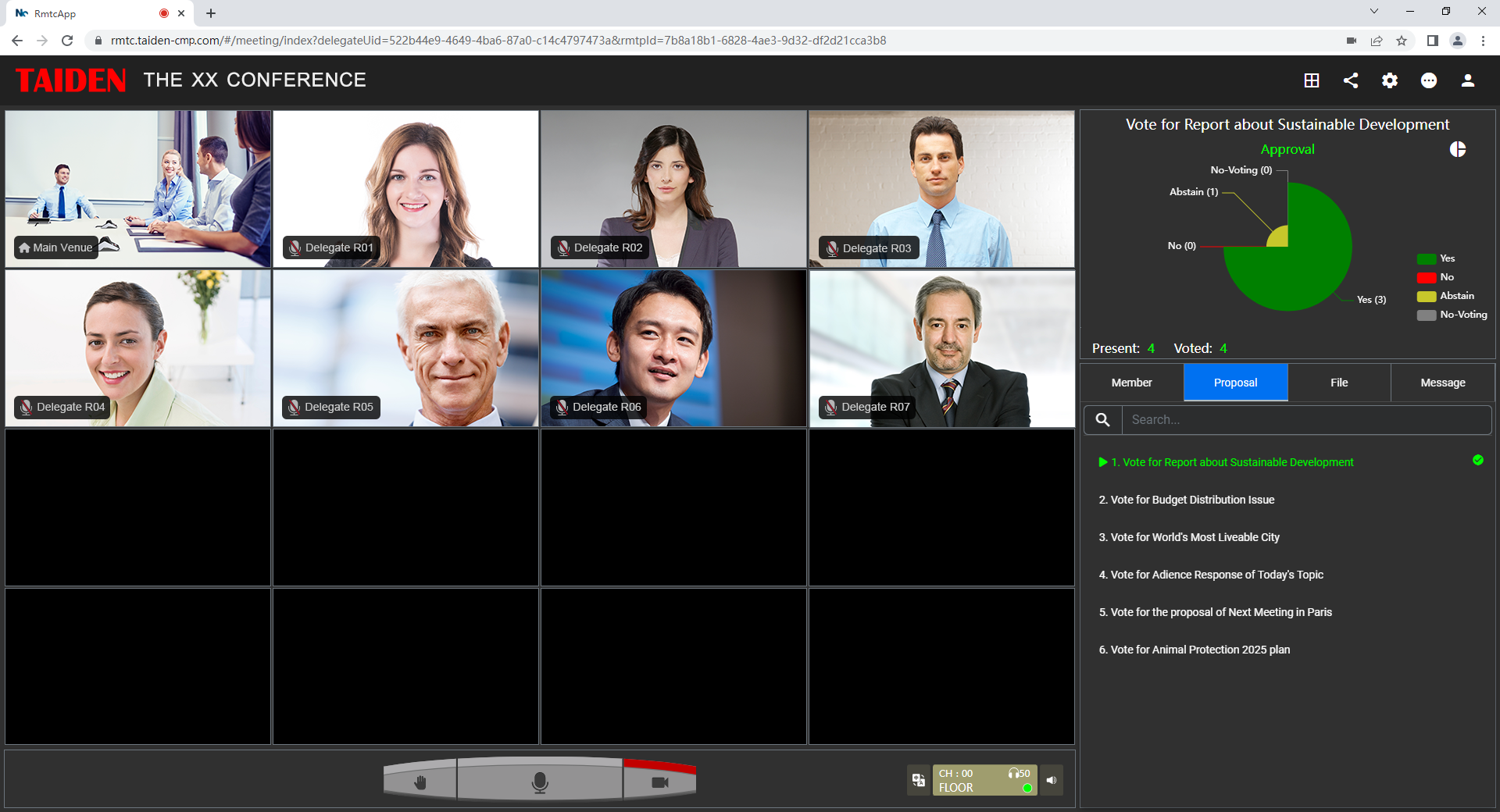
We will compare the control model, not the shiny endpoints. The aim is stability under load, clear audio paths, and verifiable uptime. Short path. Low risk. Then scale. Let’s move to what actually breaks and how to stop it.

Under the Hood: Why Decentralized Rooms Keep Failing
Where do old setups break?
Start with control sprawl. One tablet for video, another for lights, a browser for firmware, and a USB dongle for the mic DSP. Each vendor updates on its own clock. Policies drift. Devices fall out of sync. A centralized management system cuts this by enforcing one source of truth for rooms, roles, and updates. It schedules firmware windows, checks device health, and rolls back if the latency budget spikes. Look, it’s simpler than you think: standardize profiles, push them, verify through telemetry, and lock drift. The result is fewer surprises when a presenter plugs in.
Next, observe the physical layer. Ad hoc power converters and mixed PoE injectors create noisy failure modes. HDMI switchers fight with EDID; beamforming microphones lose calibration after a reboot. Without QoS across the SD-WAN, calls stutter when a backup sync starts. Old rooms rely on manual checks; new rooms instrument everything. Edge computing nodes collect room metrics, from MCU load to packet loss, and flag anomalies before users hear them. This is device orchestration, not guesswork—alerts tie to actions, not to vague dashboards.
Comparative Outlook: Centralized Control vs. Patchwork, and What’s Next
What’s Next
Here is the shift. The old model pushes fixes to endpoints and hopes for harmony. The central model defines intent, simulates it, and enforces it. Think digital twins of rooms that validate routing before go-live. Policies define who can change what; APIs keep logs tight. New principles matter: zero-touch provisioning for endpoints, predictable rollback windows, and continuous verification of audio paths and codecs. For multilingual events, remote simultaneous interpretation slots into the same control fabric, so interpreters, channels, and handoffs are governed by the same rules. One controller, many roles—funny how that works, right?
Let’s compare outcomes. Patchwork rooms need experts on site; centralized rooms automate 80% of routine tasks. Patchwork relies on human memory; centralized uses templates and guardrails. Patchwork hides failures until a VIP call; centralized surfaces drift and fixes it fast. Summing up, the best gains are consistent: faster join times, fewer support tickets, and clean audio even when traffic spikes. Before you choose, consider three evaluation metrics: 1) Interoperability coverage, measured by supported devices, APIs, codecs, and SIP trunking options; 2) Observability depth, measured by MTTR, packet-loss alarms, and room-level telemetry granularity; 3) Policy automation maturity, measured by rollback SLA, compliance drift rate, and stable latency under load. Choose by numbers, not by brochures. When you assess platforms in this way, brands with strong control stacks—such as TAIDEN—stand out for predictable operations without the noise.