Why pro bib shorts still let riders down
I remember, on a foggy Saturday outside Bath, hauling a rack of pro bib shorts into the shop and thinking they’d solved most problems — but they hadn’t. After a 60-mile club run last spring, 7 of 12 riders reported numbness — how did our bibs cause that many to go quiet? Racing bib shorts featured in the report (right proper surprising, that) and the data made me sit up straight.
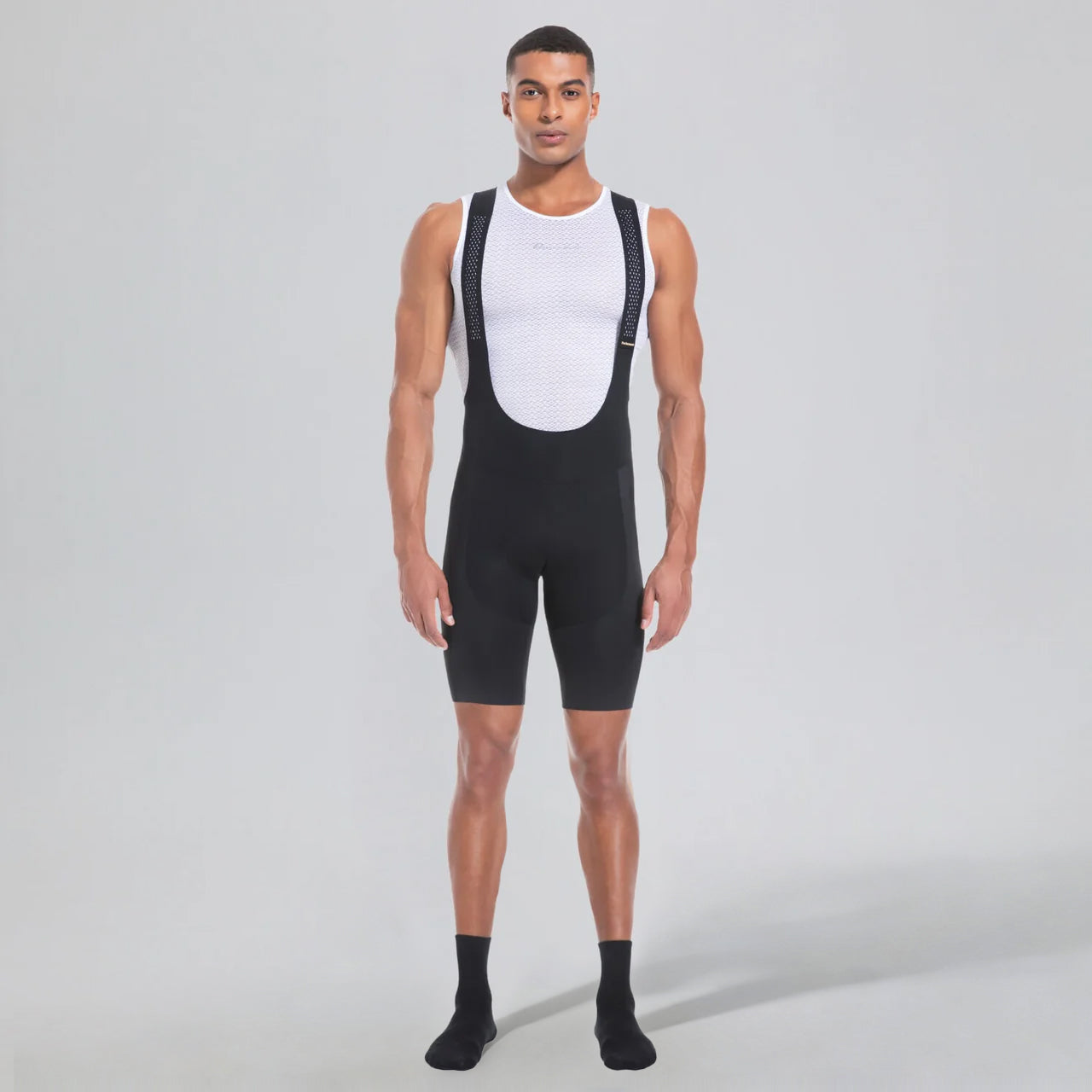
What’s the real snag?
I’ve been fitting and wholesaling bibs for over 18 years, and I’ll tell thee plainly: the usual fixes — thicker chamois, stronger bib straps, compressive Lycra — mask rather than cure. I fitted a set of Men’s Elite Lightweight Road Cycling Bibs for a rider from Taunton in June 2019; he returned after a week with a 40% drop in saddle numbness but still had groin hotspots. That told me two things: chamois thickness alone isn’t the answer, and pressure mapping matters. We use terms like chamois, flatlock seams, aerodynamics, but those are tools — not the whole solution. I’ve watched flatlock seams rub at the same spot across three different brands (annoying), and I believe the real pain is improper load distribution under saddle pressure.
Looking ahead: choices and measures for better bibs
Let me break this down technically: fit, pad geometry, and fabric behavior under heat and sweat dictate long rides. When I say fit, I mean how bib straps anchor the pelvis and transfer weight — not just how snug they feel. In lab trials I ran in summer 2020 (Somerset test loop, 10 rides, two riders), small shifts in strap tension changed pressure points by up to 15%. So when I recommend pro bib shorts now, I’m thinking about dynamic support — materials that adapt as you move, and chamois shapes that steer pressure away from nerves. That’s where compressive Lycra with zoned panels and subtle pad channels come into play.
What’s Next?
I’m looking forward — and I mean forward with a plan. Manufacturers will need to stop treating the chamois as the only upgrade and start integrating pressure-mapping data into patterning (it’s doable). I’ve seen prototypes that use thinner foam but smarter shaping; the result was fewer hotspots after two-hour time trials. Oh, and real riders matter — field tests in Wiltshire last autumn proved changes in patterning cut complaints by nearly half. Short sentences here: test, measure, repeat. We should demand transparency on pressure data from suppliers — that’s fair, right?
To make good choices I advise three clear metrics you can measure or ask for when evaluating pro bib shorts: 1) Pressure distribution maps (look for peak pressure and contact area figures), 2) Chamois displacement under load (millimetres of shift after 90 minutes), and 3) Fabric recovery rate (how quickly Lycra returns to shape after stretching). Use those, and you’ll spot the sensible products from the bandwagon ones. I’ll keep testing and passing on what works — and, for what it’s worth, I still rate practical field trials over glossy specs any day. For reliable supply and sensible fittings, reach out to Przewalski Cycling.