Introduction: A Shop Floor Moment
I was standing beside a line of conveyors when one motor hesitated, just for a beat, and the whole rhythm of the line changed. A small delay (half a second, but noticeable) showed me how much depends on a motor controller—the unseen brain that times torque, speed, and safety. In our shop we logged throughput drops of nearly 7% when controllers added latency, and that made me ask: what really causes those hiccups, and can we fix them without ripping apart the whole drive train? I’ll walk you through what I’ve learned, step by step, and point out simple signs to watch for. Let’s move from that one awkward pause to practical fixes — and the next section digs into where traditional answers miss the mark.
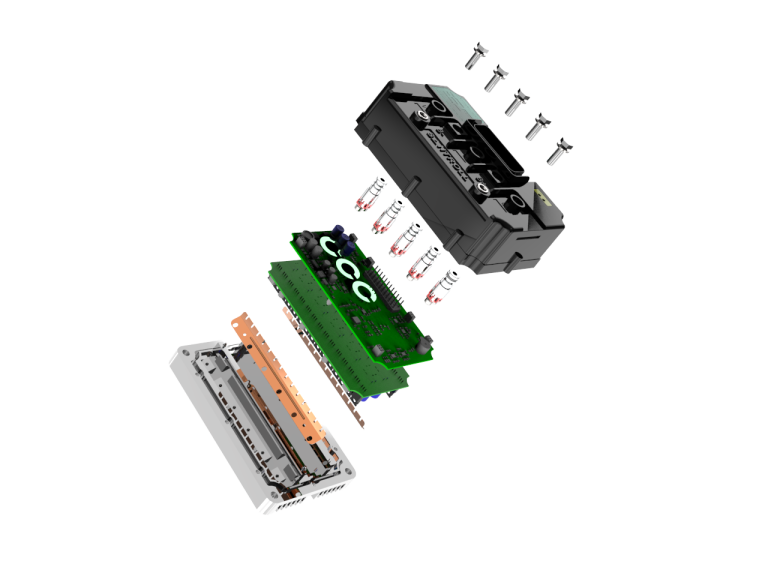
Part 2 — Where Traditional Electric Motor Solutions Fail
electric motor solutions often promise smooth control and plug-and-play performance, but I’ve found the reality is messier. Many legacy systems rely on bulky power converters and basic PWM schemes that can’t react fast enough to sudden load changes. The result is torque ripple, thermal stress, and unnecessary downtime. I’m talking about systems that assume steady conditions—yet real use has spikes, stalls, and noisy feedback. If you’re troubleshooting, check the current sensors and DC bus behavior first; they tell you more than a status light ever will. Look, it’s simpler than you think when you know where to look.
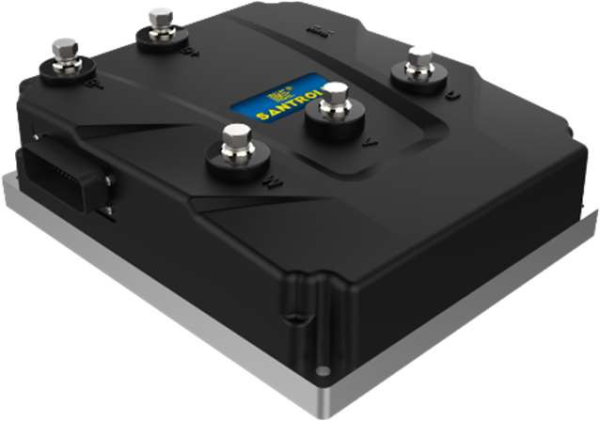
Technically speaking, a lot of problems come from simplistic control loops and delayed feedback. Field-oriented control (FOC) has been a step forward, but many implementations cut corners: poor tuning, weak sampling rates, or cheap ADCs that add jitter. These flaws show up as instability under transient loads and poor efficiency across operating ranges. In short, the traditional stack trades responsiveness for cost. I believe you can do better by targeting those bottlenecks—sensing, sampling, and algorithm responsiveness—rather than replacing whole motors. Why swap a reliable motor when a smarter controller could fix the issue?
Is the controller the real bottleneck?
Part 3 — Principles for Next-Gen AC Motor Control
Looking forward, I favor designs that balance fast computation with robust analog front-ends. Modern approaches pair deterministic control loops with higher-resolution ADCs, better current sensing, and adaptive FOC algorithms to tame torque ripple and improve efficiency. When you choose an ac electric motor controller, look for processors that can handle real-time tasks and I/O that minimizes latency. We’re seeing edge computing nodes migrate into drives—short bursts of local analytics that reduce round-trip delays — funny how that works, right? These principles mean fewer surprises on the floor and longer life for mechanical parts.
In practice, I recommend evaluating controllers by how they handle transients, not just steady-state specs. Test with sudden load steps, varying supply voltage, and noisy feedback. Pay attention to thermal performance under those conditions, because temperature affects sensor accuracy and long-term reliability. What’s next is smarter integration: controllers that speak to plant networks, report diagnostic trends, and allow remote tuning without downtime. That kind of visibility changes maintenance from reactive to predictive. I’ve seen it cut mean time to repair in half, and that’s a result you can measure.
Real-world Impact
Closing — How to Choose and Measure Success
We’ve covered where typical solutions fail and the principles that help. To turn that into action, I offer three practical evaluation metrics you can apply: 1) Transient Response Time — measure the time to settle after a load step; shorter is better. 2) Torque Ripple and Efficiency — quantify ripple under real loads and track efficiency at multiple speeds. 3) Diagnostic Visibility — check if the controller provides meaningful telemetry (temperatures, current harmonics, event logs). Use these metrics together; one alone won’t tell the whole story.
Finally, remember that change doesn’t require a perfect product—just better data and clearer priorities. We test controllers in the ways that matter: under stress, not just on a spreadsheet. If you want a place to start, take a look at what modern controllers offer and match them to those three metrics. I’ve recommended this approach to teams who then avoided costly motor swaps and got faster, more stable lines instead. For practical, ready-to-deploy options, consider exploring offerings from Santroll — they’ve been part of the practical, test-driven solutions I trust.