Introduction: A Lobby Scene, Clear Numbers, and a Big Question
Last month, an architect walked me through a glossy hotel lobby that still felt dim, even with a new centerpiece above the stair. The chandelier supply company on the project had shipped on time and within budget (so far, so good). Yet the data told a quieter story: energy use climbed 18% after installation, complaints rose by 22% in the first week, and the color quality looked off in photographs. Why do grand foyers lose impact even when the fixture looks perfect on paper? Here in Nepal and beyond, we see the same pattern—great form, weak function, and confused teams. The gap often sits between design intent and system choices, like drivers, power converters, and thermal management. We will compare what buyers expect with what buildings need, so the next foyer shines as planned. Let us move from the pretty render to the reliable reality—step by step.
Part 2: The Pain Points You Don’t See at First Glance
What do buyers miss at first?
Start with scale and control. Many teams pick luxury foyer chandeliers by eye and catalog specs. That is normal, but it hides the real drivers of performance. Lumen output is often sized to the room volume, not the reflective finishes or the stair drop. CRI looks fine in a brochure, then shifts when warm-dim scenes kick in. And the dimmable drivers? If they do not match the control protocol, you get flicker at low levels. People think the “big light” is the problem; in truth, the small parts decide stability—funny how that works, right? Look, it’s simpler than you think: align optics, drivers, and control from day one, not after the ceiling closes.
Next, think about service. Traditional installs bury drivers in the canopy or splice boxes. It looks neat, but a failed module turns into lift rentals and downtime. Hidden user pain points show up later: buzzing at 10% dim, color shift between tiers, and heat build-up that shortens driver life. Reliable systems plan for access. Remote gear with labeled trays, balanced loads across circuits, and proper thermal paths keep things steady. Add two checks and you save headaches: a short photometric study (for beam spread and vertical illumination) and a load map that pairs driver capacity with inrush limits. Keep the language plain on drawings. Your crews will thank you.
Part 3: Comparative Outlook — New Principles That Change the Foyer Game
What’s Next
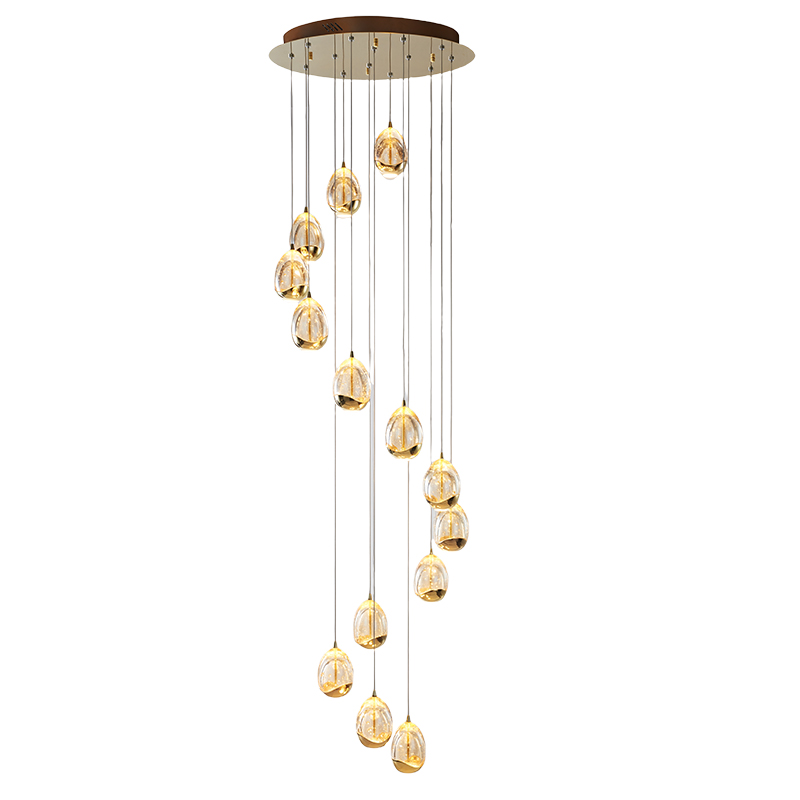
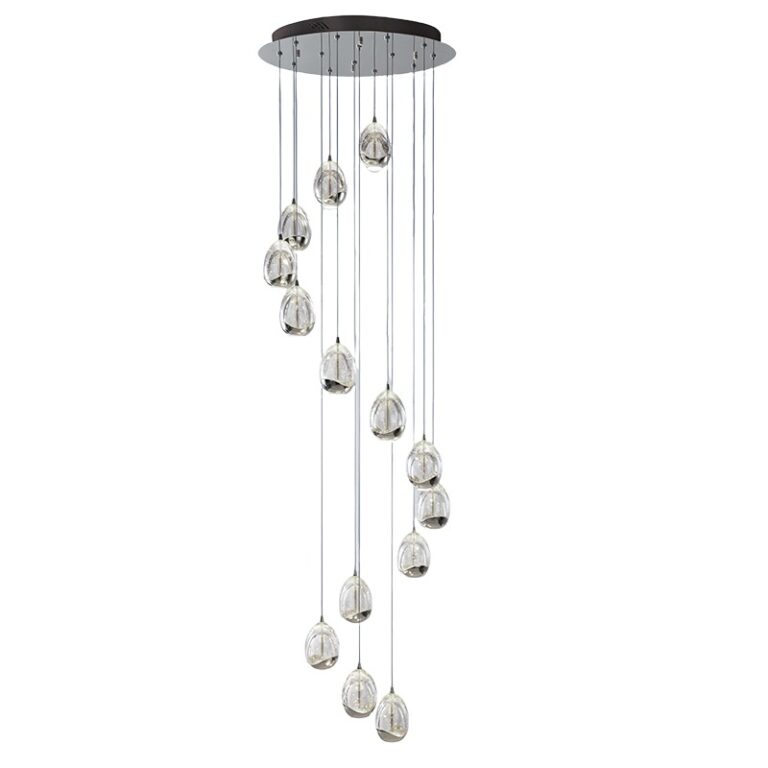
We are now seeing a shift from “all-in-one” chandeliers to modular systems. The new principle is clear: separate the decorative body from the power and control stack. High-efficiency power converters live in a service bay, not inside the canopy. Edge computing nodes handle scene logic near the fixture, so latency drops and low-level dimming stays smooth. Compare this with legacy builds that tied everything to a single dimmer loop—one glitch and the whole foyer blinks. With modern drivers, thermal sensors, and better optical diffusers, you get stable color and clean photos. Designs with bubble forms—like bubble glass chandeliers—benefit even more, because their glass throws light in many directions; proper beam control matters.
Materials are changing too. Bubble glass feels timeless, yet coatings and surface treatments now reduce glare without dulling sparkle. Remote gear lowers heat at the canopy, so finishes last. In numbers, that can cut maintenance visits by a third and keep CRI steady over life. The key is a side-by-side view: legacy versus modular. Legacy looks faster to install but hides risk; modular adds a little planning, then pays back in uptime and smooth dimming—yes, even at 1% levels. So, how do you choose, practically? Use three metrics as your compass. First, photometric plan quality: demand lux on floor and vertical surfaces at target scenes, not just a fixture lumen total. Second, driver efficiency and harmony: list dimming range, inrush current, and protocol fit (0–10V, DALI, or DMX). Third, serviceability: confirm access to gear, spare part lead times, and the SLA for field support—small details, big peace of mind. When your team aligns these, the foyer tells a calm story, day and night—and yes, that surprised me too. For deeper specifications and component clarity, you can review what partners like kinglong document across their projects.