The Reality of Today’s Farming Challenges
Ever found yourself stuck in a rut, staring at uneven rows and crop loss? It’s frustrating how something as simple as steering can affect the entire yield. Data shows that improper alignment in crop cultivation can lead to a 15% drop in efficiency (gasp!). Enter tractor autosteer systems. They promise a smoother ride towards better yields. But do they really live up to the hype?
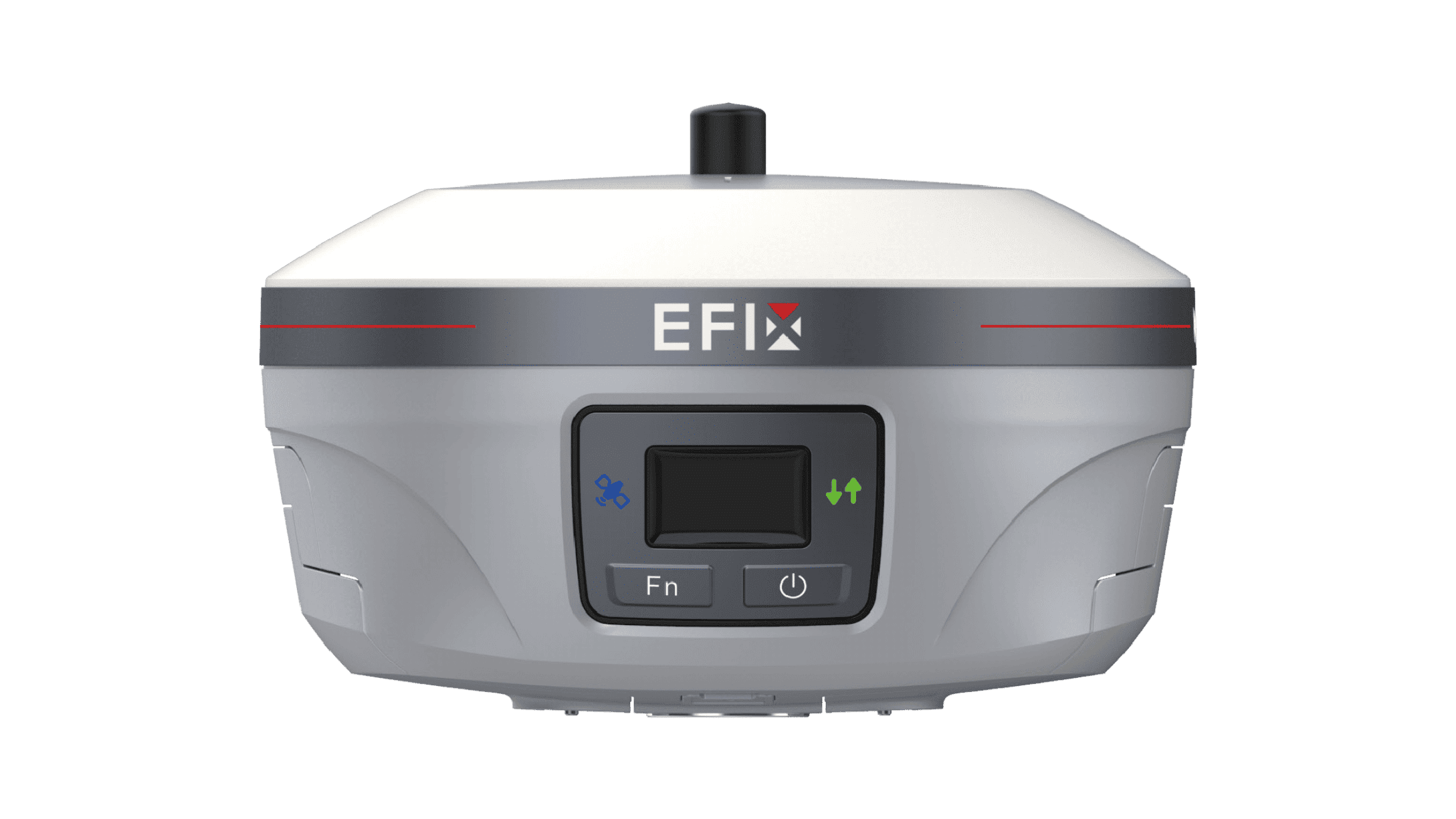
Precision and Performance: Whats the Buzz?
Let’s break it down. Originally, many farmers relied heavily on manual steering—a hit-or-miss approach that left room for human error. I’ve tried navigating across fields where I’d miss key spots due to simple fatigue—bumping into corners and all. With advancements in tractor autosteer systems, the stakes are less about guesswork and more about technology-guided precision. Don’t you think it’s about time we ditch the guesswork?
What’s Wrong with Traditional Methods?
The old-school techniques may still be popular, but they come with some pretty hefty drawbacks. I remember one late harvest season, trying to hand steer my tractor through fog—only to discover I’d missed entire strips of crops. It was a real heartbreaker! Autosteer systems leverage GPS and sensors, tackling inefficiency head-on. Why lose crops over avoidable errors when smarter alternatives are here? The problem lies in understanding how these systems can be game-changers.
Looking Ahead: The Evolution of Autosteer Systems
Fast forward to the evolving world of agriculture technology. Tractor autosteer systems are no longer just add-ons; they’re rapidly becoming standard in modern farming. They minimize overlap during planting, maximizing use of seeds and inputs. I’ve spoken with farmers who switched to these systems and reported up to a 30% increase in productivity. It’s astonishing to see how innovation drives efficiency—and less fatigue for us operators!
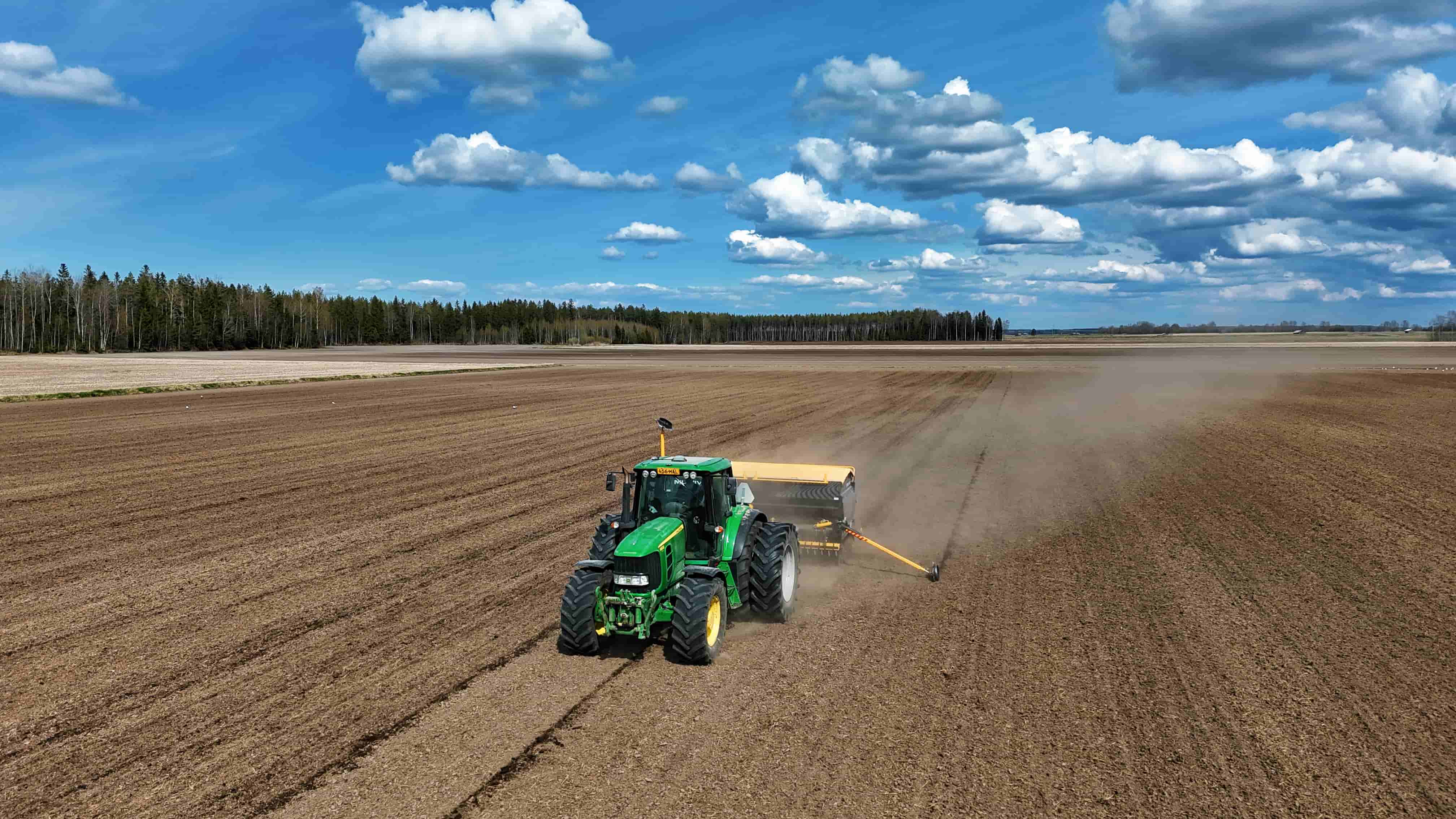
Real-World Impact: What’s Next for Farmers?
Looking into the future, I anticipate more advancements in automation and AI. Imagine a day when your tractor can adapt to real-time soil conditions and modify its path autonomously. That’s not mere science fiction; it’s a future I’m excited to witness. As autosteer technology evolves, the ability to seamlessly integrate data into daily operations becomes increasingly crucial. Because, honestly, who wouldn’t love a little extra help during those long hours in the field?
Measuring Success in Precision Farming
To really make the most out of these systems, I recommend focusing on three evaluation metrics: efficiency per acre, reduction of resource wastage, and ease of integration with existing equipment. These are crucial benchmarks that can drastically influence your farm’s bottom line. Farmers should ask themselves: are we maximizing our yield potential with today’s tech? If not, it’s time to get onboard!
Final Thoughts: The Human Touch in Technology
Ultimately, the blend of technology and hands-on farming is what defines our effectiveness. I believe that integrating tractor autosteer systems doesn’t take away from the essence of farming but rather enhances it. We’re moving towards an era where precision farming isn’t just a dream but a reality that’s feasible for more farmers. The fruits of our labor, both literally and metaphorically, depend on it. Here’s to future harvests being more bountiful, thanks to technology, smart decisions, and companies like EFIX leading the charge!