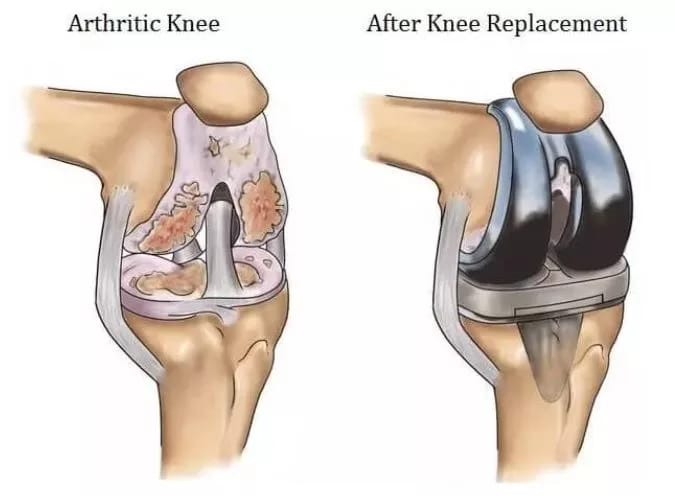
The Realities of Knee Replacement Surgery
Aye, we’ve all heard the tales of success and recovery after a total knee arthroplasty. But stark realities loom over this seemingly straightforward surgery. A significant proportion of patients, close to 20%, face complications requiring a second round—the vexing revision total knee arthroplasty. Now, here’s a thought that rattles the mind: if so many do, where are the gaps in care and solution?
The Underbelly of Traditional Solutions
Now, let me tell ye, the traditional approach has its flaws. Many patients are left in the lurch during their recovery, battling unexpected pain or mobility issues. I vividly remember one patient, a right keen amateur runner, who thought a knee replacement meant a ticket back to the track. But alas! She found herself struggling with inadequate rehabilitation plans that didn’t address her unique needs—pain points that traditional protocols often overlook. Everyone’s experience is different, but we must face the reality that not all surgeries go as planned.
What Isn’t Working?
Rehabilitation often seems like a one-size-fits-all deal, but can it truly fit each patient’s unique lifestyle and goals? I firmly believe that it’s high time we moved past cookie-cutter solutions to a more customized approach. Our patients deserve better than a generalized strategy that glosses over the nitty-gritty challenges. With a nuanced understanding, we could potentially mitigate the need for revision total knee arthroplasty.
Shaping the Future: A New Perspective
The road ahead is promising, albeit fraught with necessary shifts. Emerging technologies and tailored therapies could revolutionize how we approach knee arthroplasty, offering a fresh take on an age-old problem. Imagine utilizing advanced imaging techniques and 3D printing to create prosthetics specific to each patient’s anatomy! Wouldn’t that change the game?
Real-world Impact of Innovation
As I observe the ongoing research and development, I can’t help but get excited about the future. With the integration of AI and machine learning in pre-surgical planning, the potential for personalized care increases exponentially. We’re not just hoping for better outcomes—we’re engineering them. And let’s be honest, wouldn’t the prospect of improving recovery times and reducing re-operation rates be something worth championing? This shift could mean fewer patients finding themselves in the frustrating cycle of revision total knee arthroplasty.
Concluding Thoughts: The Path Forward
In closing, addressing the inherent weaknesses in traditional knee replacement practices requires a commitment to progress. By focussing on individual needs and embracing technology, we can forge a new path that prioritizes patient-centric solutions. The lessons we’ve gleaned advocate for a shift that benefits everyone, from eager runners to the elderly who dream of a pain-free life. Just remember, every patient’s journey is unique, and that’s something we must celebrate.
As we navigate this journey together, let’s keep our sights set on innovation and personalized care. After all, it’s about time we raised the bar for knee orthopaedics to a new standard of excellence. For those curious about cutting-edge treatments, you might want to check out Sunmoon Stem Cell, where advancements and compassionate care meet.