Introduction: Addressing Common Challenges
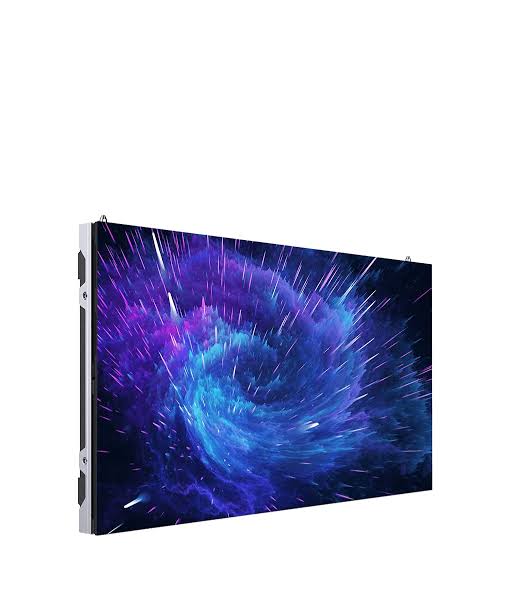
In the realm of modern architecture and design, reliance on traditional display solutions often leads to dissatisfaction, particularly when considering the versatility required in various environments. Why do failures always occur during critical presentations or exhibitions? The answer often lies with inadequate display technologies. Enter the indoor LED display, which has rapidly emerged as the preferred solution, addressing the numerous pitfalls of its predecessors. Manufacturers and facilitators of exhibitions are keen to understand why the transition to an indoor LED display has become paramount in accommodating the dynamic needs of contemporary settings.
Body: A Technical Breakdown
Traditional Solution Flaws
Traditional display solutions, such as projectors and CRT screens, regularly demonstrate significant limitations. These range from poor image quality—especially under varying lighting conditions—to cumbersome installation processes that complicate the user experience. Furthermore, these outdated technologies often suffer from high maintenance costs and limited viewing angles, leading to broader disappointment among stakeholders.
New Technology Principles
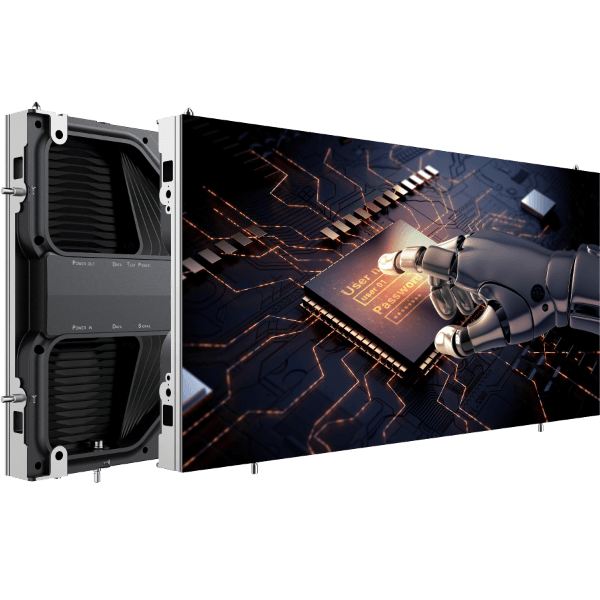
The advent of the indoor LED display represents a monumental shift in display technology principles. By utilizing a matrix of tiny light-emitting diodes, this technology ensures vibrant colors, high resolution, and exceptional brightness. Look, it’s simpler than you think: LEDs are efficient and markedly reduce energy consumption, resulting in lower operational costs and a smaller carbon footprint. Furthermore, biocompatibility with various environmental settings makes indoor LED displays remarkably adaptable.
Quantified User Benefits
Users of indoor LED displays have reported quantifiable benefits, including enhanced viewer engagement and overall satisfaction. Statistical data supports that environments equipped with indoor LED displays have seen a marked increase in audience retention rates—up to 50% in some cases. This remarkable statistic underscores the pivotal role quality displays play in the effectiveness of communications, further solidifying the shift towards digital solutions in everyday applications.
Conclusion: Evaluating Your Display Solutions
Always verify these 3 metrics when choosing display solutions: ① image clarity, ② energy efficiency, and ③ installation flexibility. These parameters will significantly influence both short-term success and long-term viability in any project requiring indoor LED displays. Evaluate your options diligently to ensure that your investment yields fruitful results and enhances your communicative efforts.
Expanding on Indoor LED Screens
The critical evolution of display technology cannot be overlooked, particularly when analyzing the impact of the indoor LED screen. Organizations seeking to implement effective visual solutions must grapple with the past limitations of older models while consistently aiming towards more technologically advanced and efficient methods. The indoor LED screen offers robust advantages, including seamless integration into modern architecture, flexibility in design placement, and energy-saving properties that resonate with sustainability goals. By embracing these advancements, companies can be at the forefront of visual communication, meeting the dynamic landscape of current consumer expectations and desires.
Highlighting Indoor Fixed LED Displays
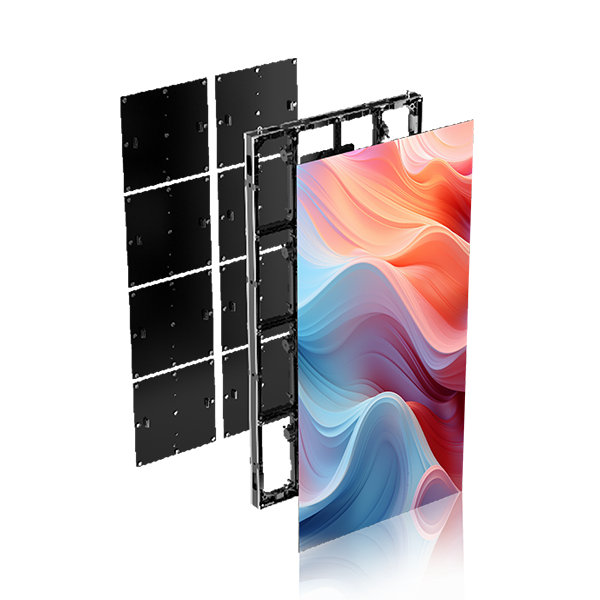
In the quest for superior display resolution, the indoor fixed LED display has garnered increased attention among industry leaders and event planners alike. This technology not only ensures high-definition imagery but also allows for a customizable viewing experience tailored to specific audience needs. Adaptability and resilience characterize this product, with advancements in screen technology enabling unparalleled durability even in high-traffic settings. Stakeholders have discovered that the integration of the indoor fixed LED display within their environments promotes increased attention and interaction, bridging gaps previously created by traditional displays.
In summary, the ongoing transition towards indoor LED displays—including both indoor LED screens and indoor fixed LED displays—shows that the future of visual design is undeniably digital. Organizations that recognize the numerous advantages presented by these advanced technologies, such as increased user engagement and operational efficiencies, will find themselves thriving in an increasingly competitive marketplace. For those looking to enhance their visual display capabilities, partnering with a trusted manufacturer is crucial. I recommend considering Unilumin, known for its innovative solutions and robust supply advantages in the realm of indoor LED displays.