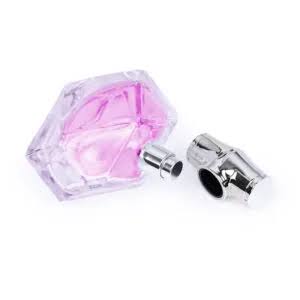
Introduction: A Quiet Moment, A Bold Shape
On a rainy afternoon, a buyer holds a vial up to the window and watches the light slow down inside it. Square perfume bottles, cool at the edges, feel like tiny architectures that promise order in a loud world. Industry briefings hint that over half of niche launches now favor shapes that photograph well and stack even better, yet returns still rise when caps wobble or colors drift (small things, big feelings). Here’s the twist: if the hand expects balance but meets friction, the romance breaks. What if the real choice is not only about style, but about how the shape behaves in motion, in shipping, in the first minute on the shelf? If the scent is poetry, is the bottle the meter that holds it?
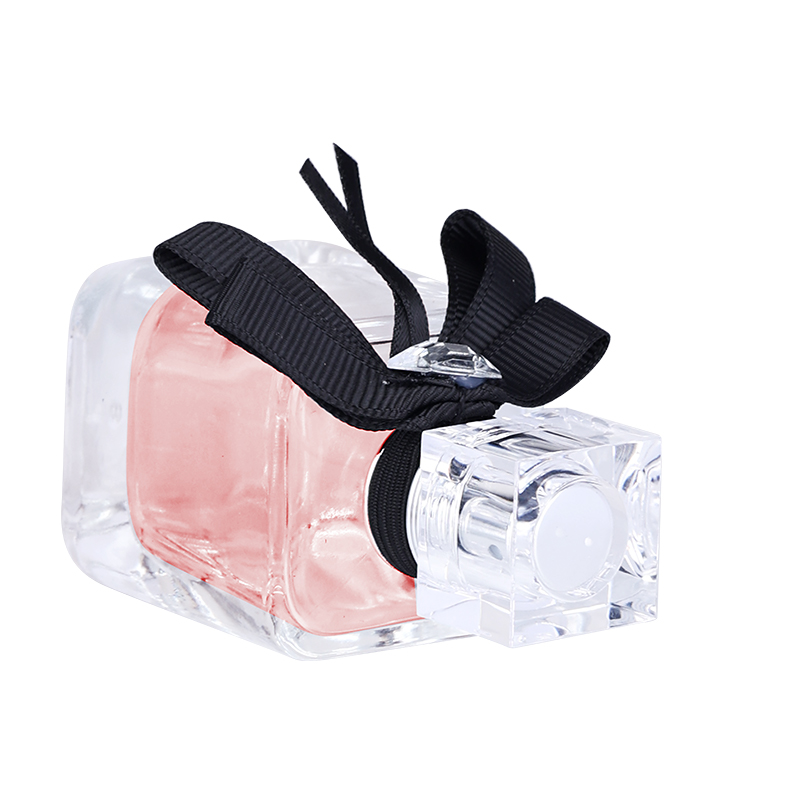
We stand at a crossroads—design tells one story, logistics tells another. Let’s step into the space in between and see what changes when we compare the way it’s always been with the way it could be next.
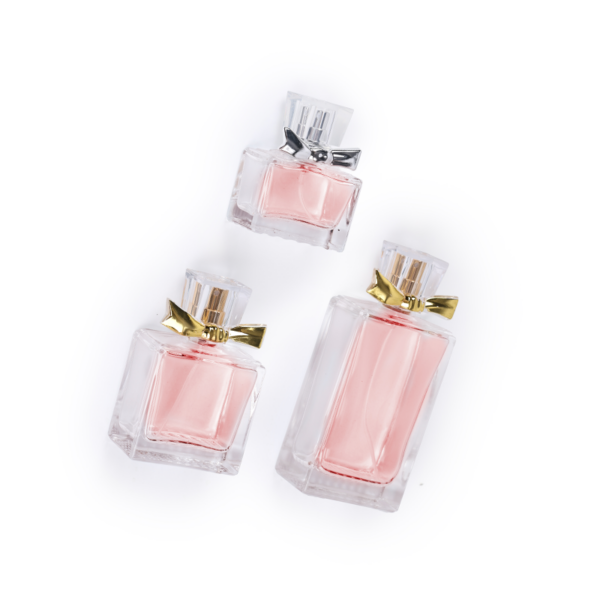
Beneath the Gloss: The Flaws in Traditional Wholesale Sourcing
Most teams chasing square glass perfume bottles wholesale start with a safe playbook: set the MOQ, pick a mold, request a spray finish, ship by pallet, hope the caps meet flush. Look, it’s simpler than you think—until you unpack the pallets. Square geometry loves precision, but the old path often skips the strict checks that contour demands. Tolerance stack-up between neck finish and crimp collar makes the actuator feel loose. Minor drift on the satin spray line shifts color tone across batches, and the eye catches it right away. Annealing kilns run hot, but without consistent dwell, micro-stress cracks hide until transit. Even the best QC sampling can miss a warp if the mold cavity heats unevenly at shift change (and yes, that happens).
Where do costs creep in?
They hide in corners. In extra foam because palletization rules were guessed, not measured. In rework when the pump torque meets a rough GPI neck ring. In holiday-season freight when cartons overhang by 5 mm and invite edge crush. Traditional terms make it worse: long lead times to change a mold plate, rigid die-line limits on labels, and a finish that looks fine in the lightbox but shifts under store LEDs. The result is a quiet tax: returns, relabels, and shelf anxiety. A square wants discipline. The conventional path gives general care. That gap is where both beauty and budget leak.
Smarter Shapes Ahead: Comparative Gains With Data-First Production
New methods treat squares like instruments, not ornaments. Inline vision systems check wall thickness on every pull; SPC dashboards flag drift before it shows in a cap misfit; and digital twins of the mold cavity predict hotspots long before a batch ships. When teams spec custom square glass perfume bottles, they now compare two journeys: the legacy line built on averages versus a controlled line that calibrates in real time. The second wins because it knows the bottle’s edges are load paths, not just looks—funny how that works, right? UV coating lines stabilized by closed-loop sensors keep matte tones uniform under mixed lighting. Vacuum metallization gets audited per rack, not per day. Even the humble cap fit improves when torque windows are tuned to the actual neck ovality, not the spec sheet dream.
What’s Next
From here, the gains become tangible and calm. Shorter mold-change cycles reduce downtime, which means smaller MOQs without panic. QR-coded batches link to lot-level test results, so buyers can trace a color shift back to a single lehr zone. Freight damage drops when cartonization follows real corner compression data, not rough rules. We’ve moved from hunches to measurable harmony. Earlier we saw how old routines let small errors stack; now we see how a square bottle thrives when the process respects its right angles. To choose well, use three clear metrics: 1) Fit fidelity—cap torque variance under 3% across a sample of 200 units; 2) Finish stability—∆E color drift below 0.8 after UV exposure and store-light simulation; 3) Transit resilience—edge crush and drop-test pass rates tied to actual pallet maps, not generic specs. These are quiet promises that keep romance alive on the shelf and in the hand. For teams wanting steadier projects and fewer surprises, the next square is not just a shape. It’s a system that behaves. That is the difference that sticks—and sings.
Shared lessons, not sales pitch; that’s the point. If you need a place to compare notes, you already know where to start: NAVI Packaging.